
 Admin
Admin The coming on stream of the 650,000 barrels-per-day Dangote Petroleum Refinery will guarantee availability of high quality environmentally compliant products in Nigeria, regional markets in West Africa, Southern Africa and inter-continental markets.
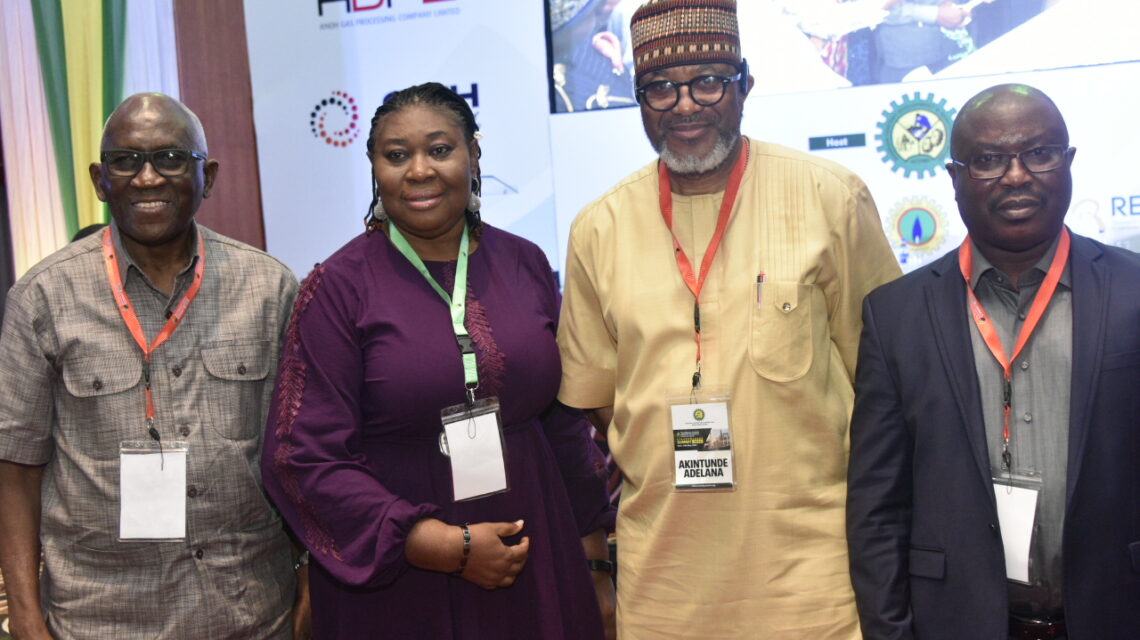
The President/CE of Dangote Group, Aliko Dangote made this disclosure on Tuesday at the Nigerian Content Midstream – Downstream Oil and Gas Summit 2022, which held in Lagos.
Dangote, who was represented by the Technical Consultant, Dangote Industries Limited, Engr. Babajide Soyode, said Dangote Petroleum Refinery would promote competition of local refining in Africa by encouraging existing large refineries to upscale, which would result in surplus products for exports.
He stated: “Dangote Petroleum Refinery will guarantee adequate fuels production for domestic consumption, availability of excess products for export, stabilisation of domestic currency, upgrading and expansion of Nigerian National Petroleum Corporation refineries and promotion of prospects of Nigeria transformation to a regional refining hub.”
Soyode emphasised the need for the Federal Government to invest more on quality infrastructure to reduce importation of refinery equipment that would ordinarily be sourced in Nigeria. He noted that the development of specific, sustainable equipment manufacturing and services should be the focus of the NCDMB and the Federal Government.
“Funding of a project should be to ensure that substantial part of the product plant must be of Nigerian origin; the same applies to goods and services. Government should ensure a single digit tax regime to encourage investment in the downstream sector”, he added.
Speaking also, the Executive Secretary, NCDMB, Mr. Simbi Wabote reiterated the government’s target to increase domestic refining capacity to 1.4 million barrels per day in the next five years.
Wabote said this was being done by rehabilitating the existing four national refineries and providing strategic support for setting up private-owned Greenfield and modular refineries in the country.
“Combined refining capacity of more than 1.4mbpd is expected from these focus areas within the next five years. About 400,000bpd is expected from the rehabilitation of NNPC refineries in Port Harcourt, Warri, and Kaduna using target performance of not less than 90 per cent of nameplate capacity. The greenfield element of the roadmap covers the 650,000bpd Dangote Refinery in Lagos and the 200,000bpd BUA Refinery in Akwa Ibom,” said Wabote.
On his part, the Chief Executive Officer, Nigerian Midstream and Downstream Petroleum Regulatory Authority (NMDPRA), Mr. Farouk Ahmed, said there were huge opportunities in the oil and gas value chain.
Ahmed, represented by Mr. Francis Ogaree, Executive Director, Hydrocarbon Processing Plants, Installations and Transportation Infrastructure, NMDPRA, said the authority would continue to enable business in the sector.
He said the enactment of the Petroleum Industry Act (PIA) had introduced a governance framework for the industry with clear delineation of roles between regulation and profit-centric business units.
Ahmed noted that the Act contained fiscal incentives to attract investment in gas development and local refining.
 Dangote Cement Transport Rolls Out Large-Scale Tree Planting At Obajana To Mark World Forests Day
  Singer Inferno Relief Committee Inspects Market, Pledges Transparency in Fund Distribution
  Dangote Cement Commissions Security Posts In Kogi Host Communities
  Nigeria’s Economic Activity Gains Momentum as PMI Climbs to 57.6 Points in December — CBN
  Dangote Cement Tripples Students Bursary For Benue Host Communities
 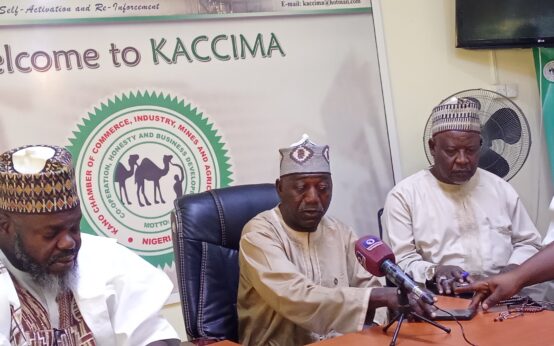 KACCIMA Urges Federal Government to Resolve Dangote Refinery Dispute, Warns of Economic Setback
  Traditional institutions key to security, peace building in Nigeria, security – CAS
  Air Chief tasks commanders to decisive airstrikes against bandits, terrorists
  Tinubu Meets Senator Sani Musa, Commends Support for Reform Agenda
  Datti Baba-Ahmed Defects to PRP, Picks Membership Card in Zaria
  AI crucial for accountability in Nigerian varsities, says EFCC Chairman
  National Development: Emir Sanusi urges universities to drive AI policy