
 Admin
Admin
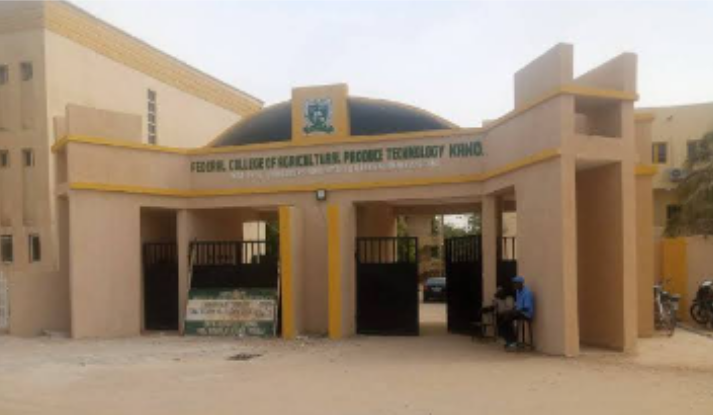
The Federal College of Agricultural Produce Technology Kano has joined forces with UNESCO, the African Union, and the Republic of Korea under the Better Education for Africa’s Rise (BEAR) III project, in a major push to strengthen Technical and Vocational Education and Training (TVET) and modernize agro-processing skills in Nigeria.
The collaboration forms part of the third phase of the BEAR initiative, which is currently being implemented in West African countries including Nigeria, Ghana, Côte d’Ivoire, and Sierra Leone between 2023 and 2027.
At the heart of the partnership is FCAPT Kano, a leading institution in agricultural technology training, which is playing a central role in implementing key components of the BEAR III project, particularly in agro-processing and post-harvest management.
The initiative is designed to equip young Nigerians with practical, industry-relevant skills, thereby increasing access to decent jobs and supporting economic growth. Special attention is being given to empowering women and disadvantaged groups.
Under the BEAR III framework, FCAPT Kano is actively contributing to:
Curriculum Development: The college is supporting the design of modern curricula tailored to Nigeria’s agro-processing needs.
Teacher Capacity Building: Lecturers and instructors are undergoing specialized training to improve teaching standards and expand knowledge transfer.
Infrastructure Upgrade: Selected facilities within the college are being enhanced with modern tools and equipment to support hands-on technical training.
Strategic Engagements and Milestones
As part of its collaboration, FCAPT Kano has participated in several high-level engagements aimed at strengthening Nigeria’s TVET system.
In October 2025, representatives of the college attended National Occupational Standards (NOS) development training focused on post-harvest technology. The programme provided practical guidance on setting competency benchmarks and incorporated lessons from South Korea’s successful TVET model.
Earlier in September, the institution joined other stakeholders in a strategic TVET planning workshop in Kano, involving education ministries and technical school boards, to align vocational education with national development priorities.
The college also took part in an employer satisfaction survey to assess how well its graduates meet labour market expectations, ensuring continuous improvement in training delivery.
In line with the project’s inclusive vision, FCAPT Kano hosted activities to commemorate World Youth Day, with a strong focus on encouraging young women to pursue careers in agro-processing and post-harvest management.
This initiative highlights the growing recognition of women’s role in agricultural value chains and the need to provide them with equal access to technical skills and opportunities.
Further demonstrating its leadership, FCAPT Kano submitted competency-based occupational standards in tomato and rice processing for mid-level professionals. These standards are currently undergoing validation and are expected to guide training and certification across Nigeria.
Aligning with Global Development Goals
The BEAR III project aligns with the 2030 Agenda for Sustainable Development, particularly goals focused on quality education and decent work. It also supports Africa’s broader education strategy and reinforces Nigeria’s commitment to building a skilled workforce.
A New Era for Technical Education
Stakeholders say the collaboration between FCAPT Kano and its international partners marks a new chapter in Nigeria’s vocational education sector. By combining global expertise with local implementation, the initiative is expected to enhance productivity, reduce post-harvest losses, and create sustainable employment opportunities.
As the programme unfolds, FCAPT Kano is poised to remain at the forefront of efforts to transform agricultural education and empower the next generation of skilled professionals in Nigeria.
 Food Security: HJRDA Reiterates Commitment to First Lady’s ‘Everyone Has a Garden’ Initiative
  NADF Engages Stakeholders to Strengthen Farm Input Delivery
  NEPC Moves to Curb Tomato Waste, Boost Value Chain in Kano
  Jigawa Targets 500,000 Hectres Of Rice Production By 2030
  DISCOURAGE IMPORT, ENCOURAGE EXPORT, FARMER ADVISES FEDERAL GOVERNMENT
  IAR, AATF Task Journalists on Science-Based Reporting to Dispel GMO Myths
  Ambassador Dr. Amina Umar Namadi: A First Lady Defined by Compassion, Service, and Humanity
  Police Rescue Abducted Three-Day-Old Baby, Arrest Two Suspects in Nasarawa
  Governor Yusuf Mourns Alhaji Nuhu Dantani
  ADC Leaders Reject INEC Decision, Vow to Resist, Mobilise Support in Otukpo
  Police Disburse ₦9.26m to Families of Fallen Officers in Kano