
 Admin
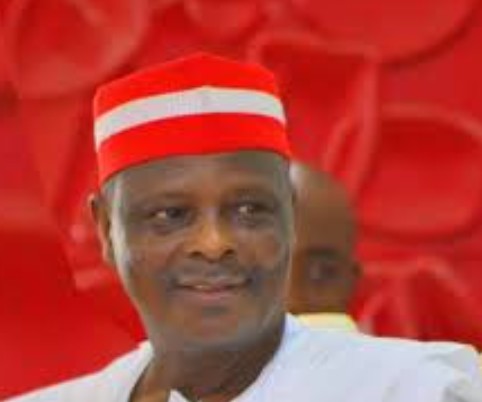
Admin The Kwankwasiyya Movement has expressed concern over reports that a proposed bill before the United States Congress, titled the Nigeria Religious Freedom and Accountability Act 2026 (HR 7457), allegedly references its leader, Senator Rabiu Musa Kwankwaso, in connection with claims of severe religious freedom violations.
In a press statement issued on February 12, 2026, and signed by its spokesperson, Dr. Habibu Sale Mohammed, the movement described the allegations as unfounded and misleading, insisting that they are inconsistent with the verifiable public record of the former Kano State governor.
The group stated that Senator Kwankwaso, who has served as Deputy Speaker of the House of Representatives, two-term Governor of Kano State, Minister of Defence, Senator, and Presidential Candidate, has never been indicted, prosecuted, or credibly accused of religious persecution, extremism, or human rights violations throughout his over three decades in public service.
According to the statement, the development of Sharia-based legal systems in some northern states was undertaken within the framework of Nigeria’s federal constitution and was not exclusive to Kano State or initiated by a single individual. It added that such systems remain subject to constitutional oversight and judicial review, questioning the rationale for singling out Kwankwaso.
The movement further argued that international relations should be guided by contextual understanding and respect for constitutional sovereignty, noting that the United States maintains diplomatic ties with countries whose legal systems incorporate Islamic jurisprudence.
It maintained that treating Nigeria’s constitutional legal pluralism differently without clear and individualized evidence would be inconsistent.
While calling on the U.S. Congress to reject the recommendation and remove Kwankwaso’s name from the proposed bill, the movement alleged that the inclusion may have been influenced by political rivals or individuals seeking to settle personal scores. It expressed confidence that fairness, due diligence, and objective assessment would ultimately prevail.
 Ambassador Dr. Amina Umar Namadi: A First Lady Defined by Compassion, Service, and Humanity
  Police Rescue Abducted Three-Day-Old Baby, Arrest Two Suspects in Nasarawa
  Governor Yusuf Mourns Alhaji Nuhu Dantani
  ADC Leaders Reject INEC Decision, Vow to Resist, Mobilise Support in Otukpo
  Police Disburse ₦9.26m to Families of Fallen Officers in Kano
  Ambassador Dr. Amina Umar Namadi: A First Lady Defined by Compassion, Service, and Humanity
  Police Rescue Abducted Three-Day-Old Baby, Arrest Two Suspects in Nasarawa
  Governor Yusuf Mourns Alhaji Nuhu Dantani
  ADC Leaders Reject INEC Decision, Vow to Resist, Mobilise Support in Otukpo
  Police Disburse ₦9.26m to Families of Fallen Officers in Kano