
 Admin
Admin A coalition of nutrition stakeholders has issued a strong call for increased financing, improved coordination, and stronger accountability systems to combat rising malnutrition across Nigeria’s 44 Local Government Areas (LGAs).
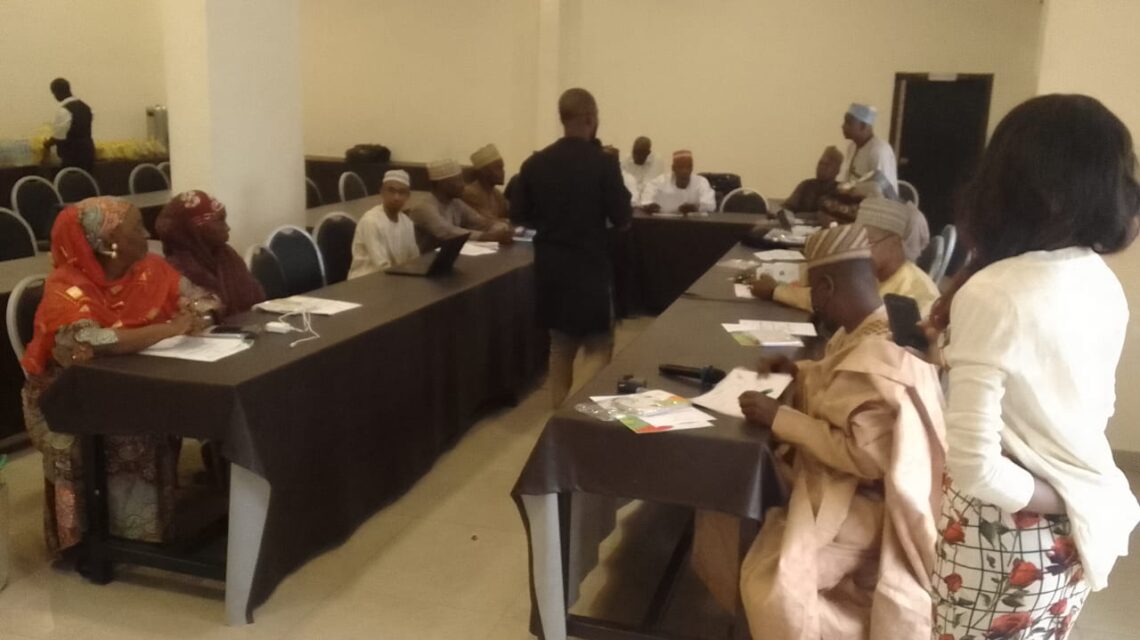
The communiqué was released at the end of a strategic meeting convened by the Civil Society Scaling Up Nutrition in Nigeria in collaboration with the State Committee on Food and Nutrition.
The forum brought together representatives of LGAs, key government ministries, departments and agencies, development partners, media professionals, and nutrition advocates to review the status of nutrition financing and governance at the grassroots level.
Participants described the gathering as a “critical moment of reflection and recommitment” to addressing malnutrition through sustainable funding, strengthened institutions, and community-driven monitoring systems.
Alarming Nutrition Indicators Persist
Stakeholders expressed deep concern over the persistently high burden of malnutrition in several LGAs. Evidence presented at the meeting revealed troubling rates of:
Stunting among children under five
Wasting and acute malnutrition
Micronutrient deficiencies
Maternal malnutrition
Speakers warned that these conditions threaten child survival, impair cognitive development, and weaken long-term economic productivity.
“Malnutrition at the local level is not just a health issue—it is a development crisis,” one participant noted during deliberations.
Funding Gaps Undermining Progress
A central focus of the discussions was the inadequate and inconsistent financing of nutrition programmes.
Stakeholders observed that budgetary allocations for both nutrition-specific and nutrition-sensitive interventions remain insufficient across federal, state, and LGA levels.
Even when allocations are made, releases are often delayed or irregular, significantly undermining implementation and sustainability.
Participants emphasized that preventive, high-impact, low-cost nutrition interventions must receive greater priority in budget allocations, particularly at the LGA level. Investing in prevention, they argued, would reduce the long-term costs associated with treating severe malnutrition.
The meeting also called for scaling up local production of Ready-to-Use Therapeutic Foods (RUTF) as both a preventive and curative strategy. Beyond addressing acute malnutrition, local production would strengthen economic value chains and create jobs.
Another major concern highlighted was weak multi-sectoral coordination.
Stakeholders noted limited synergy among key sectors such as health, agriculture, education, water, sanitation and hygiene (WASH), and social protection. This fragmentation has resulted in duplicated efforts and reduced impact.
Participants urged the revitalization and institutionalization of functional nutrition coordination mechanisms at state and LGA levels, including the reactivation of Local Government Committees on Food and Nutrition (LGCFN).
Capacity gaps at the LGA level were also identified as a significant barrier. Many local officials lack sufficient technical expertise in planning, budgeting, implementation, monitoring, and reporting of nutrition interventions.
To address this, the meeting resolved to facilitate continuous capacity strengthening for LGA nutrition focal persons, civil society organizations, and community structures.
Stakeholders stressed that community engagement remains underutilized in tracking nutrition commitments and budget performance.
The communiqué called for the institutionalization of Community-Led Monitoring (CLM) systems to promote transparency and responsiveness. By empowering communities to monitor budget releases and service delivery outcomes, stakeholders believe accountability will improve significantly.
Traditional and religious leaders, as well as women’s groups, were identified as critical partners in driving behavior change and advocating for increased investment in nutrition.
In addition, participants committed to intensifying behavior change communication campaigns focused on:
Optimal Infant and Young Child Feeding (IYCF) practices
Dietary diversity
Micronutrient supplementation
Maternal nutrition,
These campaigns, they said, must be culturally sensitive and community-driven.
The communiqué concluded with a strong appeal to multiple stakeholders:
State Governments were urged to prioritize nutrition in annual budgets, ensure timely release of funds, and institutionalize performance tracking mechanisms.
Local Government Authorities were called upon to mainstream nutrition into development plans, strengthen primary healthcare systems, ensure functional Ward Development Committees, and reactivate LGCFN platforms.
Development Partners were encouraged to sustain and expand technical and financial support aligned with national and subnational priorities.
Communities and Caregivers were advised to adopt improved nutrition practices for children, adolescents, pregnant women, and lactating mothers.
Media and Civil Society Organizations committed to institutionalizing quarterly budget performance review sessions across the 44 LGAs, recognizing high-performing councils and constructively engaging underperforming ones.
“Nutrition Is Foundational to Development”
In closing, stakeholders declared that improving nutrition at the LGA level is “not optional it is urgent, strategic, and foundational to Nigeria’s socioeconomic transformation.”
They reaffirmed their collective commitment to coordinated action, strong political will, transparent financing, empowered communities, and sustained investment.
The communiqué ended with a unifying pledge: to build a nutrition-secure future where every child, woman, and community can thrive and contribute meaningfully to national development.
 Ambassador Dr. Amina Umar Namadi: A First Lady Defined by Compassion, Service, and Humanity
  Police Rescue Abducted Three-Day-Old Baby, Arrest Two Suspects in Nasarawa
  Governor Yusuf Mourns Alhaji Nuhu Dantani
  ADC Leaders Reject INEC Decision, Vow to Resist, Mobilise Support in Otukpo
  Police Disburse ₦9.26m to Families of Fallen Officers in Kano
  Ambassador Dr. Amina Umar Namadi: A First Lady Defined by Compassion, Service, and Humanity
  Police Rescue Abducted Three-Day-Old Baby, Arrest Two Suspects in Nasarawa
  Governor Yusuf Mourns Alhaji Nuhu Dantani
  ADC Leaders Reject INEC Decision, Vow to Resist, Mobilise Support in Otukpo
  Police Disburse ₦9.26m to Families of Fallen Officers in Kano