
 Admin
Admin
The National Population Commission (NPC) says it is working towards harmonising marriage and divorce registration in Nigeria to establish a comprehensive national database for civil registration and vital statistics.
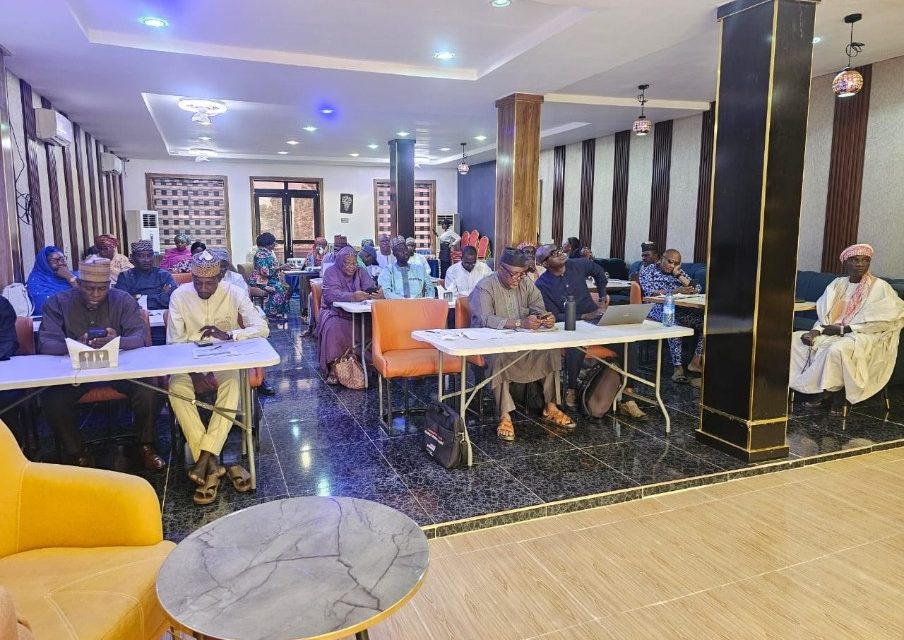
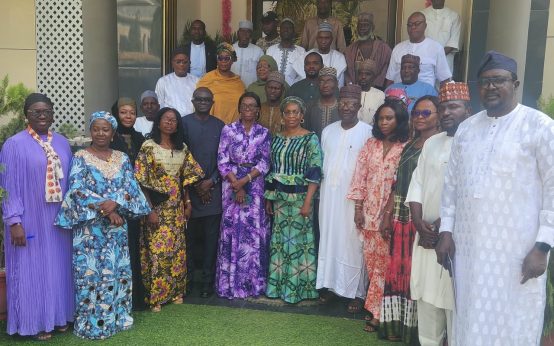
The Overseeing Commissioner of the commission, Mrs Mary Ishaya Afan, disclosed this in Kano at the North-Central Zonal Consultation on the Draft Harmonised Protocol for Marriage and Divorce Registration in Nigeria,organised by NPC in collaboration with UNFPA, held in Kano.
Afan, represented by Mrs Anthonia Eze, Director, Civil Registration and Vital Statistics Department, said the initiative would strengthen institutional coordination and improve the availability of reliable data for national development.
She described marriage and divorce as significant legal events with far-reaching implications for individuals, families and communities, noting that proper registration and certification were essential for protecting rights relating to inheritance, property, spousal support and child custody.
The commissioner explained that the absence of a harmonised registration system had resulted in fragmented records, as statutory marriage registries, churches, Islamic institutions, traditional institutions and other relevant bodies operated different procedures and documentation arrangements.
The Deputy Director in charge of the Civil Registration Unit at the NPC headquarters, Mrs Obodo Adaku, said the consultation was aimed at identifying existing gaps and developing a common protocol for registering marriages and divorces across the country.
Adaku said the commission had a statutory responsibility for civil registration under the Births, Deaths, etc. (Compulsory Registration) Act, 1992, but marriage and divorce registration had yet to be comprehensively integrated into its national civil registration system.
The consultation attracted stakeholders from relevant ministries, departments and agencies, marriage registries, the judiciary, religious and traditional institutions, civil society organisations and other partners.
The workshop was conducted with the support of the United Nations Population Fund (UNFPA).
 KEBBI POLICE SECURE CONVICTION OF 19 PERSONS FOR TERRORISM, ILLEGAL FIREARMS POSSESSION AND VANDALISM
  NPC Moves to Harmonise Marriage, Divorce Registration Nationwide
  Insecurity Forces Kaduna Homeowners to Abandon Houses as Rents Soar
  INEC: Parties’ Failure to Submit Membership Registers Led to Omission of Governorship Candidates
  Kidnapped Kaduna Couple, Six-Month-Old Baby Beg for Help in Viral Video
  Akpabio Opposes Bill to Decriminalise Attempted Suicide
  KEBBI POLICE SECURE CONVICTION OF 19 PERSONS FOR TERRORISM, ILLEGAL FIREARMS POSSESSION AND VANDALISM
  NPC Moves to Harmonise Marriage, Divorce Registration Nationwide
  Insecurity Forces Kaduna Homeowners to Abandon Houses as Rents Soar
  INEC: Parties’ Failure to Submit Membership Registers Led to Omission of Governorship Candidates
  Kidnapped Kaduna Couple, Six-Month-Old Baby Beg for Help in Viral Video