
 Admin
Admin As the monkeypox outbreak has become a global issue of concern, several states in Nigeria have recorded cases of the virus and Taraba State inclusive.
As of the last count, Taraba State recorded five confirmed cases of the monkeypox virus with over ten suspected cases that are under investigation.
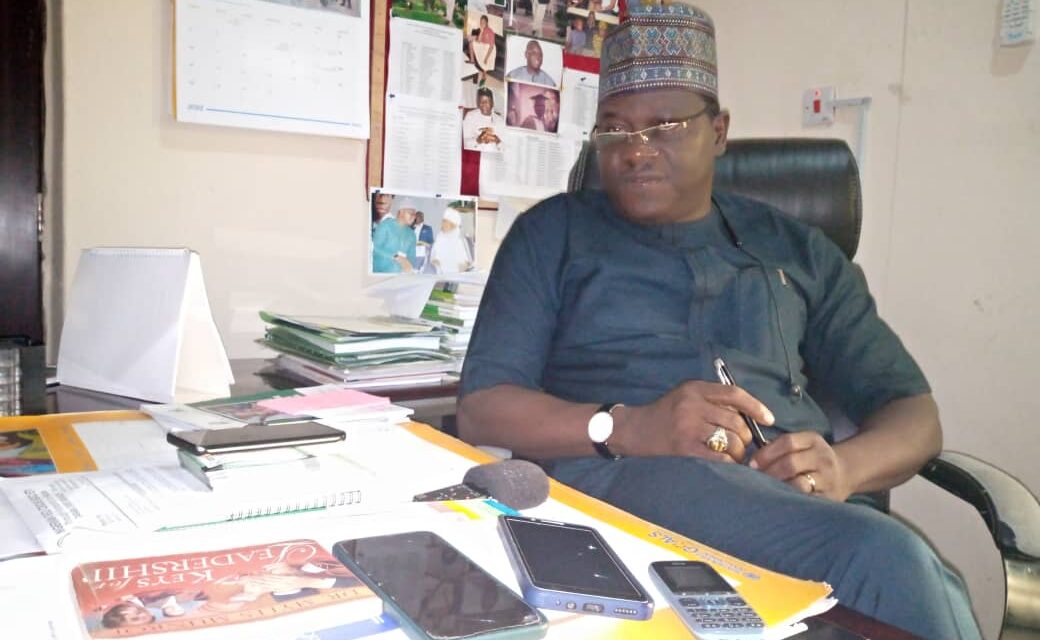
This was made known to newsmen by the Director of Immunization and Disease Control, Taraba State Primary Healthcare Development Agency, Dr. Titjo Kenneth in Jalingo.
He said about four local government areas in the state have reported cases of the virus including Kurmi, Gashaka, Ardo Kola, and Zing.
Dr. Titjo Kenneth Mingeh informed that the state government has put in place critical measures to help in the outbreak response in the state.
According to him, monkeypox presents itself like other forms of viral diseases such as fever, body weakness, and loss of apatite among other signs, noting that the most striking symptom is rash.
“This rash we described as maculopapular, which means the rash is usually bigger than that of measles. Do not forget there are so many diseases that present with a rash. So, it is not usually automatic but the moment you see a rash associated with the above-mentioned and other symptoms at this time around of the outbreak, we suspect more of monkeypox and the patient can be investigated for the disease,” said Dr. Mingeh.
Dr. Titjo Kenneth revealed that the disease emanated from the group of wild animals that are tagged as more suspicious which monkey is among.
Dr. Mingeh also joined in the argument that people should avoid eating bush meat, saying that there is no trouble in consuming the ready-made bush meat that is already on the table but in the process of catching the animals in the bush.
“The person that went to the bush catching the wild animals is the one that is at risk, so, the reason why I joined in advising people to avoid eating bush meat is that if people stop consuming it, nobody will go to bank bush and get the disease and bring back to the community. Monkeypox is highly contagious,” he warned.
Dr. Titjo Kenneth Mingeh, however, stressed the need to conserve the lives of wild animals and urged people to stop killing them to avoid losing natural habitats in the country.
 Clean water, healthier Kano: Improved WASH Systems Transform Communities in Kano State
  Jigawa Stakeholders Trained on Human Rights, Gender Equality and Inclusive Social Protection
  KHETFUND reviews beneficiaries’ performance for quarter 3 and 4
  Kano Govt Inaugurates One-Health Steering Committee
  GAIN Tasks Journalists on Promoting Nutrition, Healthy Food Systems
  Traditional institutions key to security, peace building in Nigeria, security – CAS
  Air Chief tasks commanders to decisive airstrikes against bandits, terrorists
  Tinubu Meets Senator Sani Musa, Commends Support for Reform Agenda
  Datti Baba-Ahmed Defects to PRP, Picks Membership Card in Zaria
  AI crucial for accountability in Nigerian varsities, says EFCC Chairman
  National Development: Emir Sanusi urges universities to drive AI policy