
 Admin
Admin
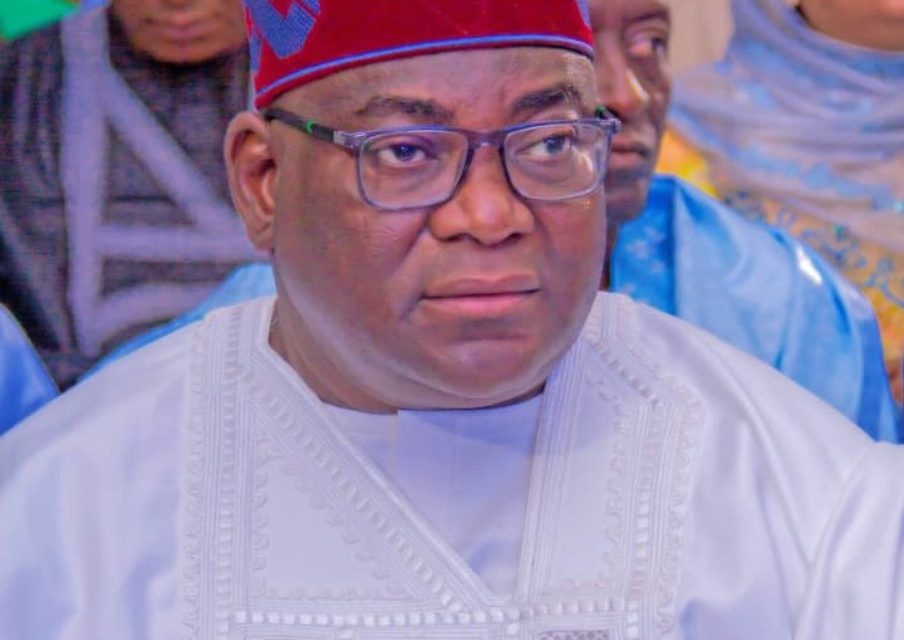
Since assuming office as Commissioner for Information and Internal Affairs in Kano State, Comrade Abdullahi S. Waiya has introduced a number of initiatives aimed at redefining the way government information is generated, coordinated and disseminated to the public.
His approach, which combines innovation, institutional restructuring and greater attention to staff welfare, has gradually changed the perception of the Information Ministry from a conventional publicity establishment to a more coordinated and responsive communication institution.
At the centre of Waiya’s intervention is the recognition that government communication has changed significantly in the digital age. With citizens increasingly relying on social media, online platforms, radio and television for immediate information, the commissioner has sought to strengthen the ministry’s capacity to communicate government policies, programmes and achievements across multiple platforms.
One of the noticeable areas of his intervention is the restructuring of information dissemination. Under his watch, greater emphasis has been placed on timely, accurate and coordinated communication, with relevant information made available to journalists and members of the public in formats that suit the changing media environment. This has also encouraged stronger collaboration between government information officers and media practitioners covering the state.
The ministry’s communication architecture has equally witnessed increased attention to digital platforms. Rather than depending exclusively on traditional methods of press statements and conventional media coverage, the new approach recognises the importance of social media and other emerging communication channels in reaching a younger and increasingly connected population. The strategy has helped to broaden the channels through which government activities and policies are communicated.
Waiya’s intervention is not, however, limited to the dissemination of government information. A significant aspect of his leadership has been his focus on the people responsible for carrying out the ministry’s mandate — the staff. By giving greater attention to workers’ welfare, professional needs and working conditions, the commissioner has sought to build a workforce that is motivated to perform its responsibilities effectively.
For many information officers and media personnel, the emphasis on welfare represents an important shift in institutional leadership. A ministry entrusted with informing the public, according to observers, cannot effectively discharge that responsibility if its personnel are not adequately motivated, equipped and recognised. The commissioner’s approach therefore places staff welfare alongside information management as important components of institutional effectiveness.
Another feature of the administration is the effort to improve coordination among the various information structures under the state government. Such coordination is particularly important in a state as large and politically active as Kano, where government programmes cut across numerous ministries, departments and agencies and where public demand for information is exceptionally high.
The commissioner has also demonstrated an understanding of the importance of professional media engagement. Regular interaction with journalists and greater openness to the concerns of media practitioners have helped to create a more functional relationship between the government and the fourth estate. Such engagement provides an avenue for journalists to obtain clarification on government policies while also enabling the administration to better understand public concerns communicated through the media.
The significance of these changes extends beyond the Information Ministry itself. Effective public communication is central to governance because policies and projects can only achieve their intended impact when citizens understand them. From education and healthcare to infrastructure, economic empowerment, security and social programmes, government initiatives require effective communication to reach their beneficiaries.
In Kano, where the state government is implementing numerous projects and programmes, the Information Ministry therefore occupies a strategic position. The task is not simply to publicise government achievements but also to explain policies, counter misinformation, provide accurate information and maintain a communication bridge between government and citizens.
Waiya’s leadership appears to be built around this broader understanding of the ministry’s responsibility. His initiatives seek to make government communication more proactive rather than merely reactive — anticipating information needs, responding to emerging narratives and ensuring that verified information reaches the public promptly.
The importance of this approach has become even more evident with the rapid spread of misinformation and unverified claims through social media. In an environment where inaccurate information can travel faster than official clarification, government communication institutions must possess the capacity to respond quickly without compromising accuracy or professionalism.
By strengthening internal structures and embracing new communication channels, the ministry under Waiya is positioning itself to meet this challenge. The objective is to ensure that the government’s voice remains credible, accessible and relevant in an increasingly crowded information space.
Beyond the immediate activities of the ministry, the commissioner’s reforms could also have longer-term implications for the professional development of information management in Kano. Building stronger structures, improving staff morale and embracing technology can provide a foundation upon which future administrations can further develop the state’s public communication system.
For supporters of the reforms, the emerging narrative is that Waiya has brought a different orientation to the management of information — one that combines traditional government information management with contemporary media practices and a stronger human-resource focus.
However, sustaining the gains will require continued institutionalisation of the innovations. Experts in public communication often stress that reforms should not depend solely on individual office holders but should become part of established systems, procedures and professional standards. This would ensure continuity and allow future leadership to build on the structures already created.
For now, the changes introduced under Comrade Abdullahi Waiya have placed the Kano State Ministry of Information at an important point of transition. The ministry is increasingly being challenged to move beyond the traditional role of announcing government activities to becoming a strategic communication institution capable of informing, educating and engaging citizens.
The emerging picture is therefore that of a ministry undergoing a deliberate transformation — from conventional information dissemination to a more innovative, coordinated and people-centred communication system.
As Kano continues to expand its development programmes and engage a population eager for timely information, the effectiveness of this new communication architecture will remain crucial. And for Waiya, the real measure of the reforms may ultimately lie not only in the volume of information released, but in how effectively that information connects government policies with the people they are designed to serve.
 LESSONS LEARNT FROM THE POLITICAL JOURNEY OF DR JAMIL ISYAKU GWAMNA
  Abba Kabir Yusuf: A Leader with a Good Heart and a Kano-First Vision
  Atiku is True Pan-Naigeria Leader ,Deserve 2027 Electoral Victory – ADC-PCC
  The Recurring Nightmare: Will Northern Nigeria Wake Up Before the Next Catastrophe?
 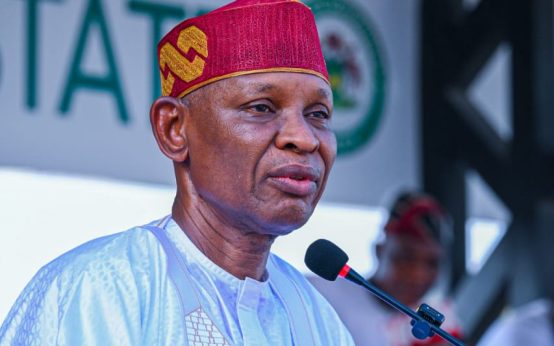 Abba Kabir Yusuf: The North’s Strongest Political Bridge to Tinubu’s 2027 Presidency
  President Tinubu’s Anniversary Speech Capture His Government Journey In Economic Reforms, Prosperous Nigeria, Kwankwaso
  FG Assures Nigerians of Stable, Affordable CNG Prices
  Kano Govt Donates Equipment to NDLEA
  FG Commissions 80MVA Transmission Substation in Kano
  Gov. Radda Announces Digital Courts, Judicial Welfare Package
  Abuja-Kaduna-Kano Highway to Boost Trade, Connectivity — Umahi
  Kano Assembly Receives Five Commissioner Nominees from Gov. Yusuf