

 Admin
Admin The pain of losing a parent is one of the deepest forms of grief a human being can experience.
Losing a father or mother is not simply losing a person. It is losing someone whose presence has been woven into almost every chapter of our lives — from infancy and childhood to our first steps, first words, school days, successes, failures and struggles. They were there to guide us, protect us, encourage us and pray for us.
When a parent dies, memories come rushing back.
You remember how they carried you when you were too young to walk. You remember the sacrifices they made when you were too young to understand what sacrifice meant. You remember their advice, discipline, kindness and concern for your future. You remember the countless things they did for you without expecting anything in return.
You remember the difficult moments they helped you overcome and the happy moments they celebrated with you.
Then, suddenly, the person who was part of so many of those memories is no longer physically present.
That reality can be devastating.
People may come to you and say, “I understand what you are going through.” Their words may be sincere, compassionate and comforting. They may genuinely want to share your pain. Yet the truth is that no one can completely understand the depth of another person’s grief.
They can sympathise. They can remember their own experiences of loss. They can offer comfort and stand beside you. But the particular pain of losing your father or mother — with your own memories, relationship, history and unanswered questions — belongs uniquely to you.
Someone who has never lost a parent may understand the idea of parental loss, but cannot fully know the emptiness created by that absence. Even someone who has lost a parent may not completely understand what it means to lose the particular person you have lost.
Sometimes, people only truly appreciate the depth of such pain when they themselves are confronted with it.
This is one of life’s difficult realities.
But Faith Teaches Us How to Carry the Pain
As Muslims, however, we are reminded that grief, no matter how painful, must ultimately be carried with sabr — patience and steadfastness — and with iman in Allah’s decree.
We believe that life and death are not accidents. Every soul has an appointed time.
Allah says:
“Every soul shall taste death.”
— Qur’an 3:185
This does not mean that we should not cry. Islam does not demand that a grieving person become emotionless.
The Prophet Muhammad ﷺ himself wept when loved ones died. Tears are part of our humanity. Missing our parents is natural. Feeling the emptiness of their absence is natural. Remembering them and becoming emotional is natural.
What our faith teaches us is that grief should not make us lose hope in Allah.
We cry, but we still believe.
We hurt, but we still trust Allah.
We miss them, but we know that they belonged to Allah before they belonged to us.
And when Allah called them back, He did not wrong them.
“To Allah We Belong and to Him We Shall Return”
One of the greatest expressions of faith during bereavement is:
“Inna lillahi wa inna ilayhi raji’un.”
Indeed, we belong to Allah, and indeed, to Him we shall return.
These words contain a profound reality.
Our parents were never permanently ours. Our children are not permanently ours. Our spouses, relatives and friends are not permanently ours. We are all entrusted to one another for a period determined by Allah.
Sometimes that period is long. Sometimes it is painfully short. But eventually, every soul returns to its Creator.
This understanding does not remove the pain, but it gives the pain meaning.
When Memories Become a Legacy
After a parent dies, there are moments when you wish you could hear their voice again. You wish you could ask them one more question, sit with them one more time or tell them how much they meant to you.
Although their physical presence is gone, their influence does not necessarily disappear.
Their teachings remain.
Their sacrifices remain.
Their values remain.
The lessons they taught remain.
The people they helped remain.
The children they raised remain.
Most importantly, their legacy can continue through the good deeds of those they left behind.
For a Muslim, one of the greatest responsibilities after losing a parent is to continue making du’a for them.
Ask Allah to forgive them. Ask Him to have mercy upon them. Ask Him to illuminate and widen their graves, overlook their shortcomings and accept their good deeds. Ask Him to grant them Al-Jannatul Firdaus and reunite you with them in Jannah.
The Prophet Muhammad ﷺ taught that when a person dies, their deeds come to an end except for certain continuing sources of reward, including a righteous child who prays for them.
Therefore, even when we can no longer physically do things for our parents, we can still do something profoundly important for them:
We can pray for them.
Accepting Allah’s Will
One of the hardest parts of bereavement is accepting that we cannot change what has happened.
We may wish Allah had given us more time. We may ask why it happened when it did. We may think about conversations we wish we had, visits we wish we had made, words we wish we had spoken and things we wish we had done differently.
These thoughts are part of grief.
But eventually, faith calls us towards acceptance.
Not because the person did not matter.
Not because we have stopped missing them.
Not because the pain has disappeared.
Rather, we accept because we recognise that Allah knows what we do not know. Allah sees the whole picture while we see only a small part of it.
Our responsibility is not to understand every decree of Allah. Our responsibility is to trust Him.
That is the essence of tawakkul — placing our trust in Allah while accepting His decree.
Grief Changes With Time
The pain may never completely disappear, but it changes.
At first, memories may bring overwhelming tears. With time, those same memories may bring both tears and smiles.
You may remember the things your parent used to say. You may hear their words in your own voice. You may discover that some of their habits have become part of you.
You may look at your own children and suddenly understand sacrifices your parents made that you never fully appreciated when they were alive.
Then you realise something beautiful:
A parent may leave this world, but the impact of a good parent can continue for generations.
Their physical journey may have ended, but their legacy continues through the lives they shaped.
Do Not Wait Until Death to Appreciate Your Parents
The pain of losing a parent should also teach those of us who still have our parents an important lesson:
Do not wait until the funeral to express your love.
Do not wait until they are gone before calling them. Do not wait until their voice becomes a memory before asking about their wellbeing.
Visit them. Speak kindly to them. Serve them. Forgive their shortcomings and seek their forgiveness for yours. Make them happy whenever you can. Pray for them while they are still alive.
One of the most painful realities of death is that it permanently closes the door to many of the things we thought we would have time to do later.
To Everyone Grieving a Parent
If you have lost your father, your mother or both, allow yourself to grieve.
Cry if you need to cry. Remember them. Speak about them. Make du’a for them.
But do not allow grief to convince you that Allah has abandoned you.
Allah has not abandoned you.
The One who gave you your parents is the same One who has now called them back. The One who was with you when they were alive is still with you after their departure.
And the same Allah who gave you the strength to survive yesterday will give you the strength to face tomorrow.
Our parents may have returned to their Creator, but our relationship with them does not have to end.
We can continue to love them through our prayers. We can honour them through our character. We can continue their good works. We can raise our own children with the values they taught us.
And we can hope, by Allah’s mercy, that one day we will meet them again — not in this temporary world, but in a place where there is no death, no separation, no sickness and no sorrow.
May Allah Have Mercy Upon Our Departed Parents
May Allah forgive our fathers and mothers who have returned to Him.
May He have mercy upon them, pardon their shortcomings and accept their good deeds.
May He make their graves spacious and filled with light. May He protect them from the punishment of the grave. May He grant them Al-Jannatul Firdaus without reckoning.
May Allah reward them for every sacrifice they made for us, every prayer they made for us, every hardship they endured for us and every good thing they taught us.
May He give those of us who remain the patience and strength to live according to His will.
May Allah repose the souls of all our departed parents and grant them eternal peace in Jannatul Firdaus.
May Allah strengthen the hearts of everyone grieving the loss of a father, mother or both.
May He grant us sabr, strengthen our iman, and help us accept His decree with humility and trust.
Inna lillahi wa inna ilayhi raji’un.
Ameen Ya Rabbal Alameen.
Bello Muhammad Sani Shawai
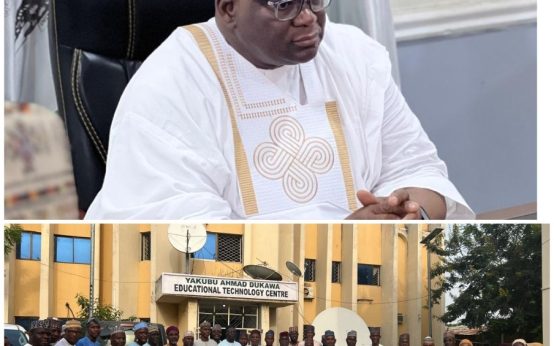 Kano Intellectuals Forum Inaugurated to Harness Academic Expertise — Waiya
 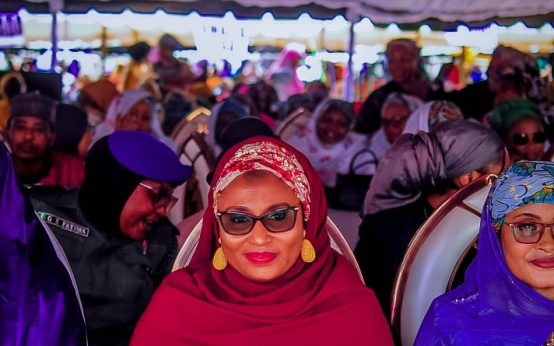 Women’s summit making waves across Gombe, says Ex-NUJ scribe
  Tinubu Nominates Former Sports Minister Sani Ndanusa as Ambassador, High Commissioner
 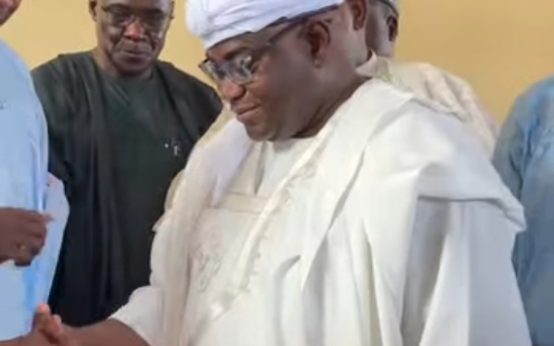 Kano Friday Mosque Imams Honour Information Commissioner Waiya with ‘Gwani’ Award
 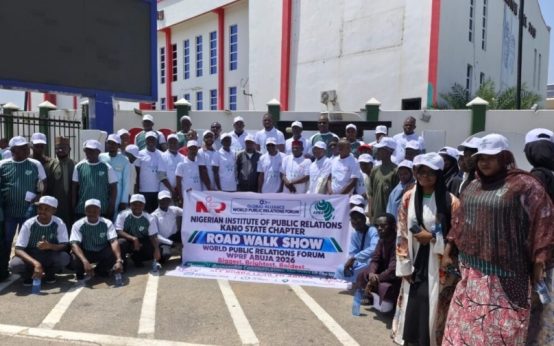 Kano Govt Pledges Support for NIPR, WPRF 2026
  NSCDC Arrests Two Suspected Car Thieves, Vandal in Kano
  Kano Intellectuals Forum Inaugurated to Harness Academic Expertise — Waiya
  Women’s summit making waves across Gombe, says Ex-NUJ scribe
  Tinubu Nominates Former Sports Minister Sani Ndanusa as Ambassador, High Commissioner
  Kano Friday Mosque Imams Honour Information Commissioner Waiya with ‘Gwani’ Award
  Kano Govt Pledges Support for NIPR, WPRF 2026
  NSCDC Arrests Two Suspected Car Thieves, Vandal in Kano