
 Admin
By Adamu Aminu
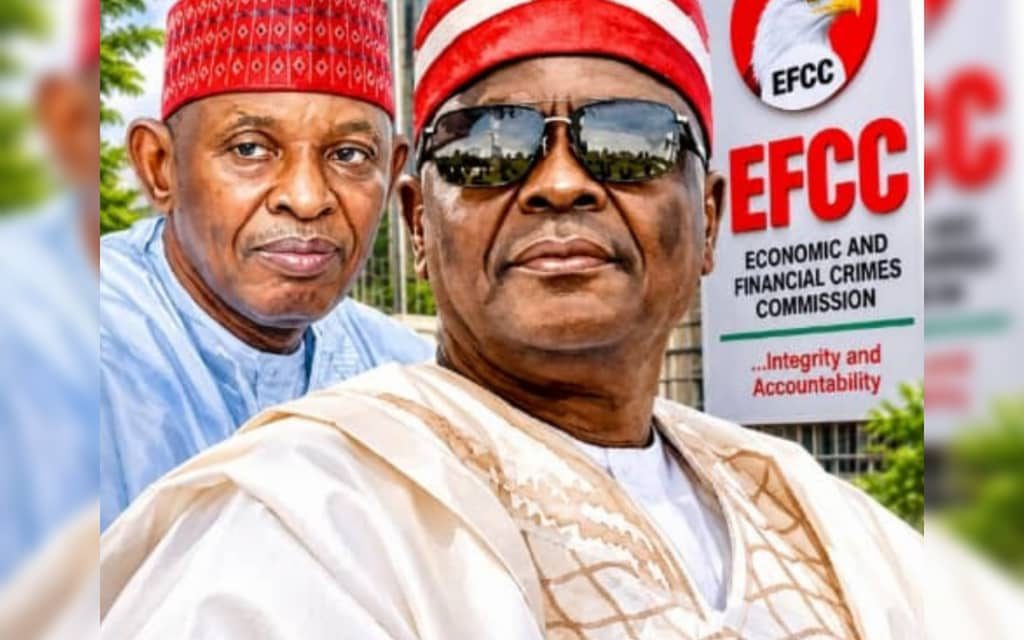
Reports indicate that the EFCC has received a petition requesting an investigation into former Kano State Governor, Senator Rabiu Musa Kwankwaso, over alleged ownership of properties in Abuja, Kano, and Nasarawa State.
The petition was submitted by the Society for Anti-Corruption and Good Governance Initiative (SACGGI), a non-governmental, non-partisan, non-profit organisation committed to accountability and good governance.
On Tuesday, November 24, the group protested at the EFCC headquarters in Abuja and submitted a petition alleging ownership of 10 high-value properties. The allegations remain unproven.
Kwankwaso served as Governor of Kano State twice, as Minister of Defence, and as a presidential candidate. He is the leader of the Kwankwasiyya movement. He has since defected to the Nigeria Democratic Congress (NDC). Reports indicate he is the running mate of the NDC presidential aspirant, Mr. Peter Obi, for the 2027 election.
The current Governor of Kano State, Abba Kabir Yusuf, is regarded as his political mentee.
Three factors appear to explain why this matter has gained attention now.
First, the demand for accountability from former public office holders, particularly on asset declaration.
Second, the reported internal tension within the Kwankwasiyya movement over leadership and direction. Third, the broader pattern in Nigeria in which anti-corruption petitions are sometimes perceived as instruments of political competition when alliances crack.
SACGGI was led by its spokesperson, Muhammad Abdullahi, who called for an investigation into Kwankwaso’s alleged property holdings, bank accounts, tax records, and asset declarations. The group asked the EFCC to conduct a lifestyle audit, to examine his asset declarations with the Code of Conduct Bureau from 1999 to date, and to independently verify ownership. SACGGI acknowledged that the properties were identified through reports and that their alleged connection to Kwankwaso must be independently verified by the EFCC.
Within Kwankwaso’s circle, there are reports of suspicion that Governor Yusuf may have knowledge of the petition. This claim has not been supported by available evidence.
This case extends beyond Kano. It raises a national question: How should anti-corruption institutions handle petitions that arise in a politically charged environment? The EFCC Chief of Staff, Michael Nzekwe, received the petition and assured the group that the Commission would examine the allegations on their merits and handle the matter professionally.
The process should be driven by evidence and legal procedure, not by political alignment.
Three scenarios are possible. First, the EFCC finds insufficient evidence and closes the matter. Second, the EFCC finds issues that require a response, and Kwankwaso is invited to clarify his record. Third, the matter remains unresolved and functions as a political signal. The way forward is procedural. The EFCC should act on verifiable facts. Kwankwaso should respond with documents. Governor Yusuf should provide clarity to reduce speculation.
Today, Nigeria does not require a conflict between a mentor and his mentee. It requires institutions that work on evidence, leaders who respect due process, and a culture that separates accountability from rivalry.
Adamu Aminu is a Columnist. His column focuses on accountability, leadership, politics and governance in Nigeria.
 Troops Neutralise Two Terrorists, Rescue Kidnap Victim in Zamfara, Kaduna
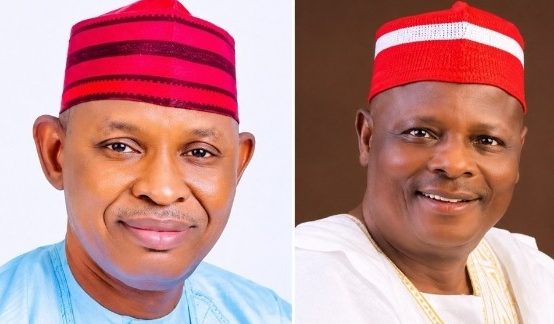 Kano Govt Tells Kwankwaso to Stop Dragging Yusuf into EFCC Probe
 AIG Garba Ahmed Not Involved in Alleged Lagos Business Transactions, Impostor Under Investigation
 Kukah Mourns Pete Edochie, Describes Him As Monumental Loss To Nigeria, Africa
 JIGAWA HISBAH SEEKS PARTNERSHIP WITH COMMUNITY GROUPS TO COMBAT SOCIAL VICES
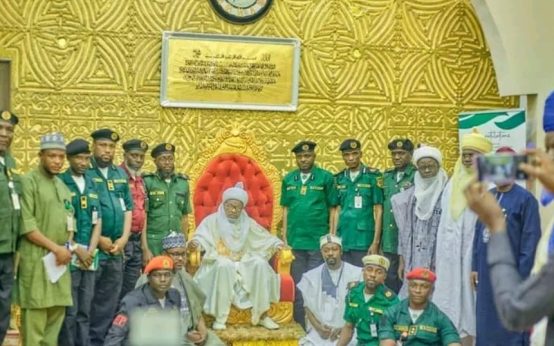 Katsina Emir Raises Concern Over Rising Drug Abuse Among Youths
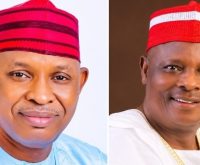 Kano Govt Tells Kwankwaso to Stop Dragging Yusuf into EFCC Probe
 AIG Garba Ahmed Not Involved in Alleged Lagos Business Transactions, Impostor Under Investigation
 Kukah Mourns Pete Edochie, Describes Him As Monumental Loss To Nigeria, Africa
 JIGAWA HISBAH SEEKS PARTNERSHIP WITH COMMUNITY GROUPS TO COMBAT SOCIAL VICES
 Katsina Emir Raises Concern Over Rising Drug Abuse Among Youths