

 Admin
Admin By Abdullahi Kano
Discrimination against children based on ethnicity, language, and religion are rife in countries worldwide, according to a new UNICEF report published ahead of World Children’s Day.
Rights denied: The impact of discrimination on children shows the extent to which racism and discrimination impact children’s education, health, access to a registered birth, and a fair and equal justice system, and highlights widespread disparities among minority and ethnic groups.
“Systemic racism and discrimination put children at risk of deprivation and exclusion that can last a lifetime,” said UNICEF Executive Director Catherine Russell. “This hurts us all. Protecting the rights of every child – whoever they are, wherever they come from – is the surest way to build a more peaceful, prosperous, and just world for everyone.”
Among the new findings, the report shows that children from marginalized ethnic, language and religious groups in an analysis of 22 countries lag far behind their peers in reading skills. On average, students aged 7-14 from the most advantaged group are more than twice as likely to have foundational reading skills than those from the least advantaged group.
READ ALSO:Ganduje Commends UNICEF, FCDO as GEP 3 Project Winds Up in Kano
Nigeria has 18.3 million children who are not in school, and a high number of children attending schools but not getting a solid education that can translate into good prospects for their future. While this crisis affects children across the country, girls, children with disabilities, children from the poorest households, street children, and children affected by displacement or emergencies are affected more.
Discrimination and exclusion deepen intergenerational deprivation and poverty and result in poorer health, nutrition, and learning outcomes for children, a higher likelihood of incarceration, higher rates of pregnancy among adolescent girls, and lower employment rates and earnings in adulthood.
The Youth Agency Marketplace (YOMA), a digital platform, is galvanizing children and young people around the world, including the marginalized, to build and transform their lives by actively engaging them in innovation challenges, social impact tasks and learning to earning opportunities.
While COVID-19 exposed deep injustices and discrimination across the world, and the impacts of climate change and conflict continue to reveal inequities in many countries, the report highlights how discrimination and exclusion have long persisted for millions of children from ethnic and minority groups and children living with disabilities, including access to immunization, water and sanitation services, and a fair justice system.
“On World Children’s Day and every day, every child has the right to be included, to be protected, and to have an equal chance to reach their full potential,” said Russell. “All of us have the power to fight discrimination against children – in our countries, our communities, our schools, our homes, and our hearts. We need to use that power.”
 Teacher Donates Part of Salary to Kano Governor in Support of Education Development
 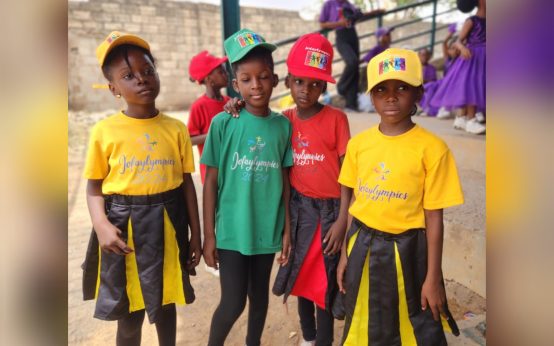 Jofay International School Kano Holds Inter-House Sports Competition in grand style
 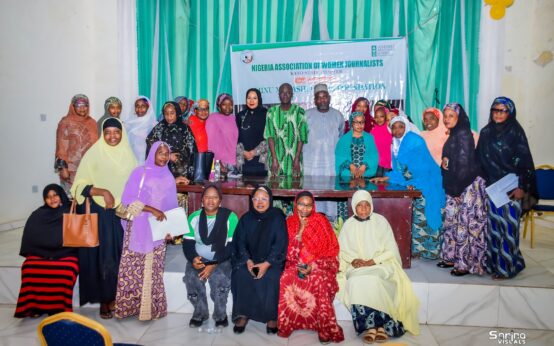 Magashi Foundation Empowers Women Journalists with Capacity-Building Workshop in Kano
 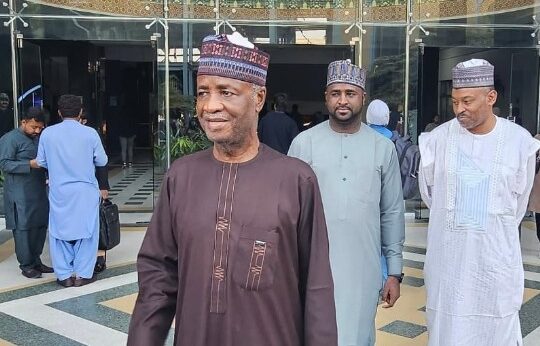 Wamakko Visits Self-Sponsored Students in Pakistan, Reaffirms Education Commitment
 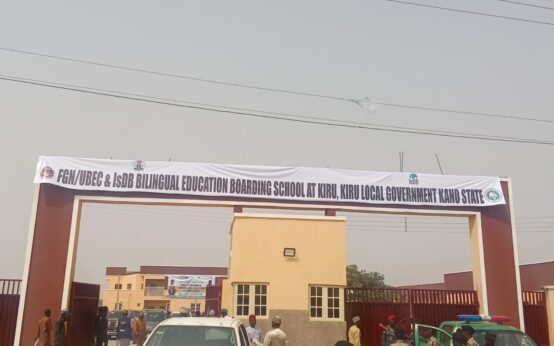 FG, Kano Govt Commission ISDB–UBEC Bilingual Boarding School in Kiru, Strengthen Drive for Inclusive Education
  Traditional institutions key to security, peace building in Nigeria, security – CAS
  Air Chief tasks commanders to decisive airstrikes against bandits, terrorists
  Tinubu Meets Senator Sani Musa, Commends Support for Reform Agenda
  Datti Baba-Ahmed Defects to PRP, Picks Membership Card in Zaria
  AI crucial for accountability in Nigerian varsities, says EFCC Chairman
  National Development: Emir Sanusi urges universities to drive AI policy