
 Admin
Admin
By Abdullahi Kano
Nutrition and public health experts have raised fresh concerns over the widespread consumption of unbranded and unfortified edible oils in Nigeria, describing it as a major threat to public health.
The call was made during a regional stakeholders’ engagement meeting held at Tahir Guest Palace, Kano, organized by the Civil Society Scaling Up Nutrition in Nigeria (CS-SUNN), in collaboration with the Global Alliance for Improved Nutrition (GAIN) and e-Health Africa.
The meeting brought together oil producers, regulators, nutritionists, and civil society actors to deliberate on strategies to phase out unbranded and unfortified edible oils from Nigerian markets.
Presenting a paper on the nutritional situation in Kano State, Mr. Auwal Aliyu Ahmad, a nutritionist with the Kano State Ministry of Health, warned that malnutrition remains a serious concern in the state. He revealed that:
59% of children under five years are stunted due to multiple factors.
72.9% of children under five are anemic, largely as a result of poor diets.
46.9% of women in Kano suffer from anemia, primarily linked to iron deficiency.
83% of households consume iodized salt, showing progress in that area.
56.3% of children aged 6–23 months consumed vitamin A–rich foods in the last 24 hours.
Only 21.6% of children in the same age group consumed iron-rich foods in the last 24 hours.
“These figures are alarming and highlight the urgent need for nutrition-sensitive interventions, particularly the promotion of fortified foods such as edible oils,” Ahmad stressed.
Citing data from the Federal Ministry of Health and Social Welfare, he disclosed that 67% of Nigerians consume unbranded edible oils, while only 31% of oils in circulation are fortified, leaving millions at risk of nutrition-related illnesses.
In her presentation on “The Dangers of Consuming Unbranded Edible Bulk Oil,” Adetola Otunla, Acting Program Manager for Large-Scale Food Fortification at GAIN, explained that unbranded oils not only lack essential micronutrients but may also expose consumers to unsafe processing and storage conditions.
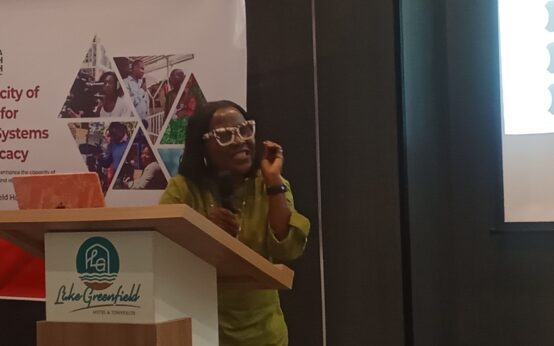
In her welcome address CS-SUN State Coordinator in Kano Hajiya Zainab Ali urged Participants to make adequate utilization of the experience they will gain during the regional meeting with a view to achieve the stated goals
Representatives from the Standards Organisation of Nigeria (SON) and the National Agency for Food and Drug Administration and Control (NAFDAC) assured participants of their agencies’ commitment to enforcing regulations that would compel producers to comply with fortification standards.
They emphasized that stringent monitoring and regulatory oversight are key to ensuring the health and safety of consumers while achieving national nutrition objectives.
Participants at the meeting described the engagement as timely, pledging to cascade the knowledge gained to their respective communities and institutions to strengthen advocacy and improve compliance.
The forum concluded with a strong consensus that collaborative efforts among government agencies, producers, civil society, and development partners are vital in eliminating unbranded and unfortified edible oils from Nigerian markets , a move seen as critical to improving public health outcomes across the country.
 Kano, UNICEF Hold Food and Nutrition Review Meeting in Kaduna
  Clean water, healthier Kano: Improved WASH Systems Transform Communities in Kano State
  Jigawa Stakeholders Trained on Human Rights, Gender Equality and Inclusive Social Protection
  KHETFUND reviews beneficiaries’ performance for quarter 3 and 4
  Kano Govt Inaugurates One-Health Steering Committee
  GAIN Tasks Journalists on Promoting Nutrition, Healthy Food Systems
  Yusuf flags off sale of 90,000 subsidised fertiliser bags, lauds Tinubu’s agricultural agenda
  CP Bakori Reviews Security at Police Academy, Intensifies Patrols on Kano–Maiduguri Highway
  HE Dr Amina Umar Namadi Highlights Education, Skills Acquisition as Keys to Youth Self-Reliance
  Governor Radda Inspects Mass Tricycles for LGs, Healthcare Workers ahead of Distribution
  Genealogy, Pedigree, and a Few Private Koboko Lashes