
 Admin
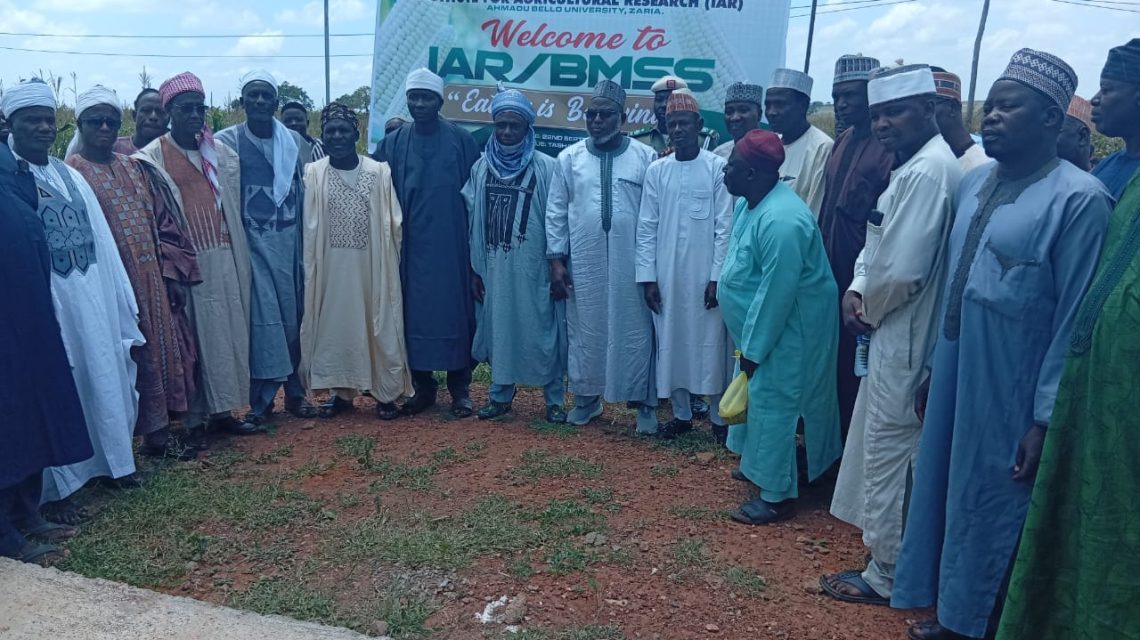
Admin The Institute for Agricultural Research, IAR, Ahmadu Bello University, Zaria, has organised a one-day sensitization exercise on the safety and quality of TELA maize.
Speaking, Director of the Institute, Professor Ado Yusuf said TELA maize is safe for human consumption and was developed to tackle fall armyworm, stem borer and drought caused by climate change.
Represented by his Deputy, Professor Nafiu Abdu, the Director explained that farmers cultivating the variety now harvest between 60 and 90 bags per hectare, compared with less than 50 bags from conventional varieties.
According to him, TELA maize reduces production costs because it requires less insecticide spraying, while feedback from users indicates that 100 kilogrammes of TELA maize produces more flour than the same quantity of conventional maize.
Also speaking, a researcher at the Institute, Professor Rabiu Adamu, said TELA maize is high-yielding, drought-tolerant, insect-protected and nutritious, with the potential to produce seven to nine tonnes per hectare.
He noted that with Nigeria requiring more than 20 million metric tonnes of maize annually, adoption of high-yielding varieties remains crucial to achieving food security.
In a goodwill message, Chairman of the All Farmers Association, Alhaji Nuhu Aminu, urged farmers to cultivate improved and high-yielding crop varieties capable of withstanding drought and other harsh weather conditions.
Some farmers who attested to the quality of TELA maize, described it as drought-tolerant, resistant to pests and capable of producing higher yields per hectare.
They urged other farmers to adopt the variety to improve productivity and profitability.
The event, tagged “Eating is Believing”, was organised under the IAR/BMSS Project in collaboration with the African Agricultural Technology Foundation, AATF, at Tashar Dundu in Giwa Local Government Area of Kaduna State.
The exercise featured the preparation and eating of food made from TELA maize with members of the public, to counter claims that the variety causes cancer, infertility and other health problems.
 AFAN Demands Independent Probe Into Death Of Over 30 Suspected Illegal Miners In NSCDC Custody In Minna
 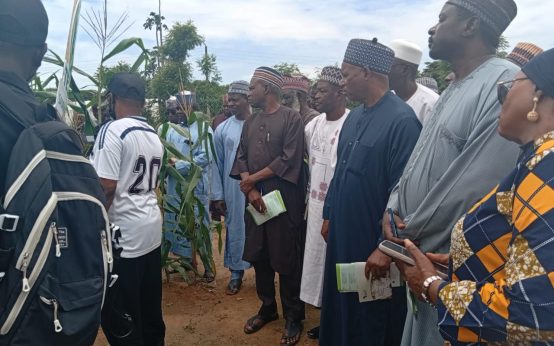 ABU Zaria Showcases TELA Maize Technology to Boost Farmers’ Yields and Food Security
 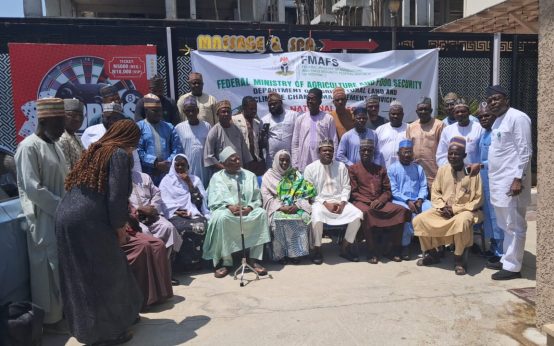 FG Reviews Agricultural Land, Soil Management Policy to Boost Food Security
  AFAN President Backs Tinubu’s Agricultural Transformation Agenda, Supports Gov. Yusuf’s Second Term
  AFAN President Urges Farmers to Support Tinubu’s Agricultural Transformation Agenda
  FG Moves to Sustainably Manage Hadejia-Jama’are Water Catchment
  Jigawa Hisba Boss Urges New Gumel Emir to Strengthen Islamic Values
  Waiya Completes PhD Viva Voce in International Relations
  OGP: The Kano Model – Institutionalizing Transparency
  SEN. SANI MUSA HAILS REMI TINUBU AT 66
  Kano Police Arrest Suspected Kidnapper, Recover Drone
  Former Kano lawmaker mourns death of Sani Lawan Kofar Mata