
 Admin
Admin
By Musa Abdullahi Sufi
Development and Impact Journalist
A New Chapter in Kano’s Political Leadership
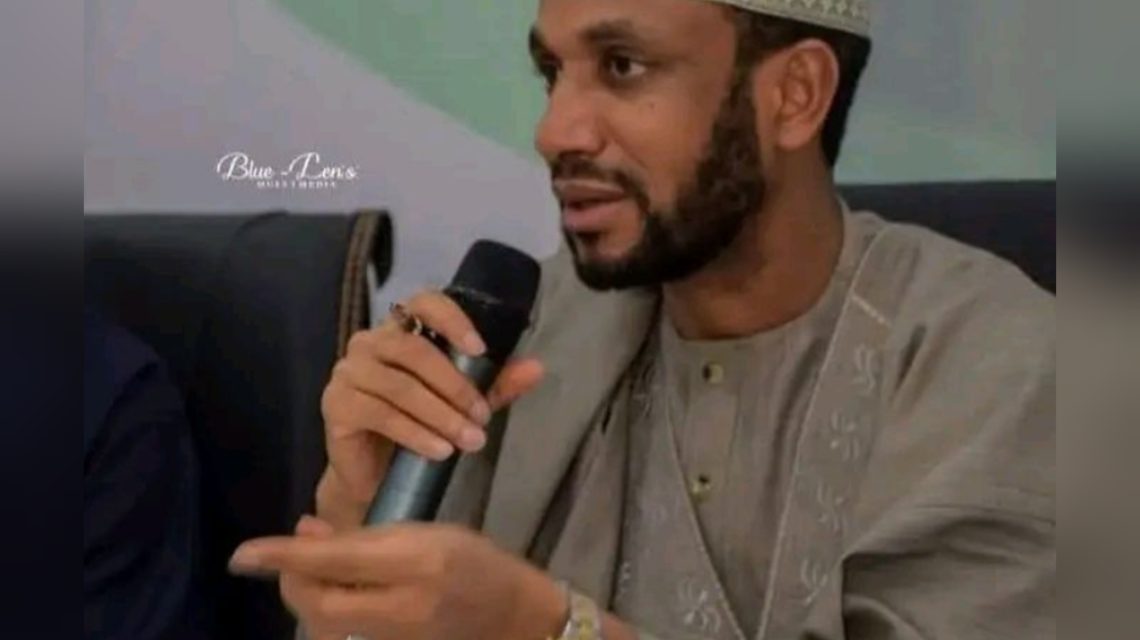
The political landscape of Kano State entered a defining moment in May 2026 with the emergence of Murtala Sule Garo as Deputy Governor. His appointment under Governor Abba Kabir Yusuf reflects more than a routine transition, it signals a recalibration of political strategy, grassroots inclusion, and governance continuity in one of Nigeria’s most influential states.
Garo’s ascent is emblematic of a broader pattern in Northern Nigerian politics: the elevation of deeply rooted grassroots actors into executive authority. His journey offers insight into how political capital, built outside elite technocratic corridors, can shape governance at the highest levels.
Early Political Formation and Grassroots Foundations
Murtala Sule Garo’s political relevance did not emerge overnight. He built his career through incremental engagement within Kano’s local political ecosystem, cultivating relationships across wards, local government areas, and party structures.
Unlike many contemporary politicians whose prominence is tied to elite networks, Garo’s trajectory is grounded in community-based political organising teams, electoral mobilisation at ward and LGA levels and strategic loyalty within party hierarchies
This grassroots immersion has endowed him with a practical understanding of voter behavior, local governance gaps, and socio-political dynamics; a critical asset in a state as politically complex as Kano.
Rise Through Party Structures
Garo’s influence expanded through his role as a political strategist and mobilizer, particularly during election cycles. He became known for coordinating campaign structures across multiple LGAs, building coalitions among youth groups and political stakeholders and strengthening party cohesion during periods of internal contestation.
His ability to navigate intra-party dynamics positioned him as a trusted political operative, eventually earning him recognition within the state’s executive leadership framework.
Transition to Executive Governance
His appointment as Deputy Governor marks a shift from political operations to institutional governance. This transition is significant: it tests whether a grassroots mobilizer can effectively function within the bureaucratic and policy-driven architecture of government. However, his previous positions during former Governor Dr Abdullahi Ganduje strengthened his capacity and experiences in addition to him contested as a deputy governor in the last election.
National attention followed his inauguration, with figures such as Bola Ahmed Tinubu emphasizing the need for synergy between the Deputy Governor and the state executive. This underscores the strategic importance of his role not merely ceremonial, but integral to governance delivery.
Leadership Profile: Core Attributes
Garo’s leadership style can be analytically understood through several defining traits:
Grassroots Intelligence
He possesses a nuanced understanding of community expectations, informal governance systems, socio-political sensitivities across Kano’s diverse population. This positions him as a bridge between government and citizens, particularly in rural and underserved communities.
Political Loyalty and Stability
In a political environment often characterized by volatility, Garo is regarded as a consistent ally within party structures, and stabilizing force capable of maintaining internal cohesion.
Youth Engagement and Inclusion
His longstanding engagement with youth networks showcased his commitment to youth political participation and potential to drive inclusive governance policies targeting young populations
Strategic Adaptability
His rise amid shifting political dynamics also demonstrates resilience under pressure and ability to align with evolving political realities without losing core support.
Programs, Contributions, and Influence
While Garo may not yet have a portfolio of widely publicized flagship programs at the national level, his influence is evident in several domains.
In political mobilisation systems he has contributed to designing effective voter engagement strategies and strengthening grassroots campaign infrastructures.
Youth-Centered Political Inclusion through both formal and informal channels by supporting youth participation in governance processes and advocated for skills development and empowerment initiatives
Governance Facilitation
His intermediary role has included enhancing communication between political leadership and communities and upporting policy coordination at sub-state levels.
Implications for Governance in Kano State
Garo’s emergence carries strategic implications for the future of governance in Kano State, among them include but not limited to;
– Reinforced grassroots governance with policies that are likely to reflect local realities more closely
– Improved political stability due to his loyalty and networks that can help consolidate the administration
– Youth-focused development agenda that is potential expansion of programs targeting employment, education, and civic participation
– Enhanced state–community interface with greater responsiveness to citizen needs
Challenges Ahead
Despite his strengths, the transition to executive office presents clear challenges. This include;
1- Moving from political mobilization to policy implementation
2- Navigating bureaucratic complexities of state governance
3- Delivering measurable outcomes in key sectors such as health, education, and economic development
4- Balancing political expectations with governance realities
His success will depend on how effectively he translates political capital into developmental impact.
A Defining Test of Leadership
Murtala Sule Garo stands at a critical juncture not only in his career but in Kano’s governance trajectory. His story reflects a broader evolution in Nigerian politics, where grassroots legitimacy increasingly intersects with executive authority.
If effectively harnessed, his background could redefine governance delivery by embedding community-informed decision-making at the heart of state policy. If not, it risks reinforcing the gap between political mobilization and tangible development outcomes.
Conclusion
Murtala Sule Garo’s rise to Deputy Governor is more than a political appointment, it is a test case for the effectiveness of grassroots leadership within formal governance systems. His tenure will be closely watched as an indicator of whether political experience at the community level can translate into sustainable, inclusive, and impactful governance.
End
 Taraba: Jalingo City Rotary Club Donates Borehole to Santewa Community.
  Foundation distributes start-up kits, cash to 1,426 youth, women
  Arrest of Bello Bodejo politically motivated – Campaign DG
  Police Violent Crime Response Unit Records Breakthrough in Akwa Ibom Raid
  2027: Church Urges Effective Deployment of Technology, Establishment of Election Offense Commission
  Police, Military Recover 67 Stolen Cows, Other Livestock in Kano
  Taraba: Jalingo City Rotary Club Donates Borehole to Santewa Community.
  Foundation distributes start-up kits, cash to 1,426 youth, women
  Arrest of Bello Bodejo politically motivated – Campaign DG
  Police Violent Crime Response Unit Records Breakthrough in Akwa Ibom Raid
  2027: Church Urges Effective Deployment of Technology, Establishment of Election Offense Commission
  Police, Military Recover 67 Stolen Cows, Other Livestock in Kano