
 Admin
Admin As Nigeria marked its 64th Independence Day, the mood was somber, reflecting on the nation’s struggles and unfulfilled dreams.
The Resource Centre for Human Rights & Civic Education (CHRICED) congratulated the Nigerian people for their resilience, emphasizing that the credit for the country’s continued existence goes to the ordinary citizens who have endured immense hardship ¹.
Despite gaining independence in 1960, Nigeria still grapples with entrenched issues such as bad governance, corruption, unemployment, poverty, insecurity, and electoral misconduct.
These challenges have led to widespread disillusionment among citizens, making the Independence Day celebrations seem hollow.
CHRICED noted that politicians have trivialized the significance of independence, prioritizing personal interests over the welfare of the people. The organization urged leaders to acknowledge the harsh realities faced by citizens, including rising unemployment, inflation, and inaccessible healthcare.
CHRICED’s Executive Director, Ibrahim M. Zikirullahi, emphasized that Independence Day should serve as a moment for reflection, accountability, and determination. He stressed the need to confront uncomfortable truths and demand tangible changes to improve the lives of ordinary citizens.
To move forward, Nigeria requires:
– *Economic diversification* through agriculture and technology to reduce dependence on oil reserves
– *Infrastructure development* to improve roads, power supply, and internet access
– *Good governance and accountability* to combat corruption and strengthen institutions
– *Political participation* to encourage youth involvement and representation
– *Security and stability* through community policing and trust-building ¹
As Nigeria looks to the future, it is essential to honor the sacrifices of those who fought for independence and strive for a nation where every individual can thrive. By acknowledging the challenges and working together, Nigerians can build a truly free and equitable society.
In a separate reflection on Nigeria’s independence, OlaJumoke Awe noted that the country has made progress in technology and entrepreneurship, with a lively startup scene emerging. However, the nation’s potential remains hindered by corruption, insecurity, and poor governance ¹.
 KEBBI POLICE SECURE CONVICTION OF 19 PERSONS FOR TERRORISM, ILLEGAL FIREARMS POSSESSION AND VANDALISM
 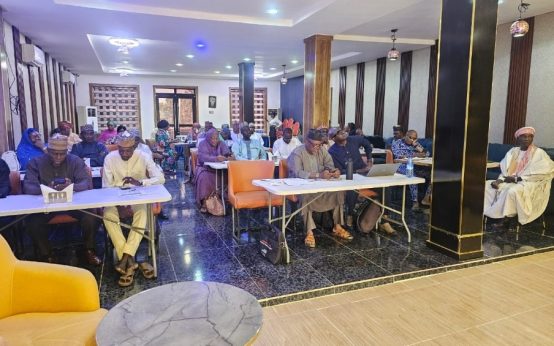 UNFPA Supports NPC’s Efforts to Harmonise Marriage ,Divorce Registration in Nigeria
 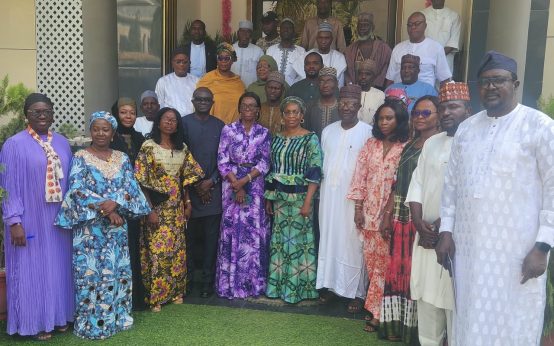 NPC Moves to Harmonise Marriage, Divorce Registration Nationwide
  Insecurity Forces Kaduna Homeowners to Abandon Houses as Rents Soar
  INEC: Parties’ Failure to Submit Membership Registers Led to Omission of Governorship Candidates
  Kidnapped Kaduna Couple, Six-Month-Old Baby Beg for Help in Viral Video
  KEBBI POLICE SECURE CONVICTION OF 19 PERSONS FOR TERRORISM, ILLEGAL FIREARMS POSSESSION AND VANDALISM
  UNFPA Supports NPC’s Efforts to Harmonise Marriage ,Divorce Registration in Nigeria
  NPC Moves to Harmonise Marriage, Divorce Registration Nationwide
  Insecurity Forces Kaduna Homeowners to Abandon Houses as Rents Soar
  INEC: Parties’ Failure to Submit Membership Registers Led to Omission of Governorship Candidates
  Kidnapped Kaduna Couple, Six-Month-Old Baby Beg for Help in Viral Video