

 Admin
Admin By Usman Ahmed, Kaduna
The Federal Government has been urged to take urgent and decisive measures to reduce the importation of food items and prioritize policies that promote local agricultural production and exports.
Alhaji Abubakar Sadiq Falalu, Chairman and Chief Executive Officer of Falgate Rice, made the call while speaking to journalists during the 47th National Council on Agriculture and Food Security (NCAFS) held in Kaduna. The event, themed “Promoting Sustainable Development and Food Security,” brought together key stakeholders from across the country to discuss strategies for strengthening Nigeria’s agricultural base.
Falalu, who is a prominent rice farmer and agribusiness entrepreneur, decried the nation’s continued dependence on imported food products, describing it as counterproductive to Nigeria’s economic growth. He said the Federal Government must “do the needful” by creating a favorable environment that encourages local farmers to produce more, process efficiently, and contribute meaningfully to food sufficiency and export.
“It makes little sense for the government to keep subsidizing imported food while our farmers are struggling with poor access to inputs and infrastructure,” he lamented. “What we need is deliberate investment in our local capacity — that’s how we can grow our economy and ensure sustainable food security.”
He commended the Federal Ministry of Agriculture for organizing the NCAFS meeting, noting that it provides a veritable platform for experts, farmers, and policymakers to share ideas and chart a practical roadmap for the future of Nigeria’s agricultural sector.
Recalling the success of the Audu Bako Tiga Irrigation Project in Kano State, which was constructed decades ago at a cost of just ₦16 million, Falalu highlighted how the project continues to support thousands of farmers through year-round irrigation farming. He urged the Federal Government to replicate similar initiatives across the country to boost productivity.
The Falgate Rice CEO also appealed for renewed government intervention in the form of subsidized fertilizers, pesticides, and farm implements to make them affordable and accessible to rural farmers.
He emphasized that improving security in farming communities is equally critical, noting that the resurgence of insecurity in many rural areas has hampered agricultural output. According to him, once safety is restored and irrigation infrastructure is expanded, farmers will have the confidence to cultivate more land and meet both domestic and export demands.
Falalu concluded by reiterating that reducing imports and empowering local producers is the surest path toward sustainable economic growth, food security, and national prosperity.
 Lawmakers secures N90bn irrigation, bridge projects for Kano
 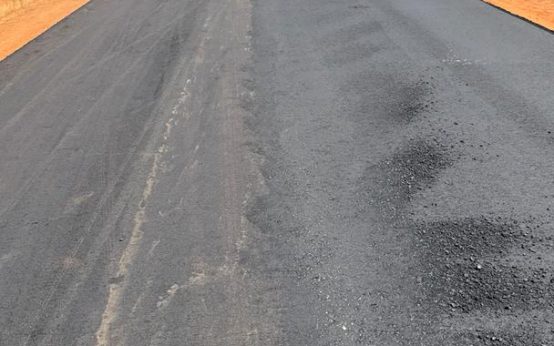 Kaduna RAAMP Intensifies Work on Anchau–Gadas–Pala Road Project
  KADRAAMP Participates in 10th Implementation Support Mission in Abuja
 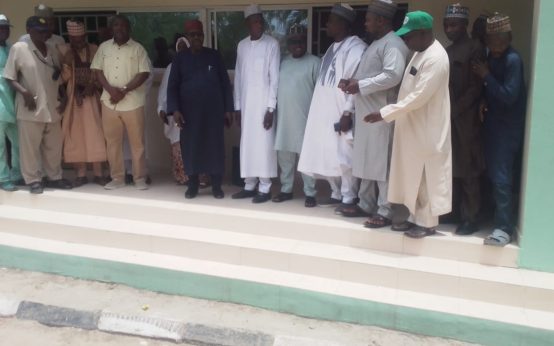 KSADP Boosts Women Participation in Agriculture, Unveils Training Centre in Kano
 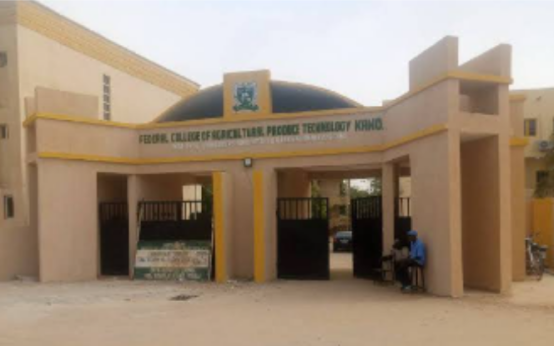 FCAPT Kano Partners UNESCO, African Union, South Korea on BEAR III to Transform Agro-Training
 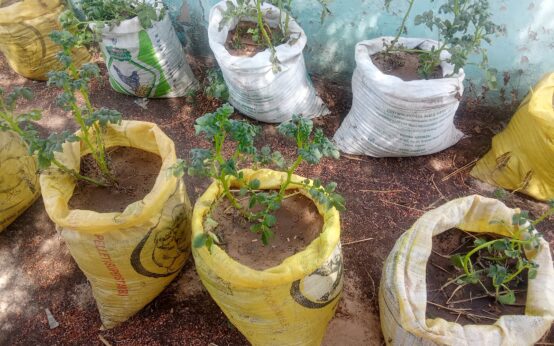 Food Security: HJRDA Reiterates Commitment to First Lady’s ‘Everyone Has a Garden’ Initiative
  Dambazau Moves to Deepen Nigeria-China Trade Relations Through Customs Partnership
  Tinubu Appoints Professor Segun Aina as New JAMB Registrar
  Akwa Ibom Police Arrest Suspected Drug Dealer, Recover Large Quantities of Indian Hemp
  Police Arrest 248 Suspects, Recover Weapons and Drugs in Kano Crackdown
  Akwa Ibom Police Command Warns Against Jungle Justice, Praise Doctor’s Heroism
  Sen. Mohammed Sani Musa Emerges Consensus Candidate for Niger East as Gov. Bago Resolves APC Dispute