
 Admin
Admin For years, the rainy season was more than just a period of planting and harvesting for residents of several rural communities in Kaduna State. It was also a season of uncertainty.
Roads that connected villages to markets, hospitals, schools and neighbouring communities often became difficult to navigate, turning short journeys into exhausting trips and, in some cases, cutting communities off completely.
But today, a different picture is emerging across parts of Kaduna State.
In Zone Three Senatorial District, 23 rural communities are beginning to experience what residents describe as a new lease of life following the construction of 23.3 kilometres of rural access roads under the Kaduna State Rural Access and Agricultural Marketing Project (KADRAAMP).
The intervention, which cuts across Jaba, Chikun and Kaura Local Government Areas, has not only opened up previously difficult routes but is also changing the way residents move people, farm produce and goods from one community to another.
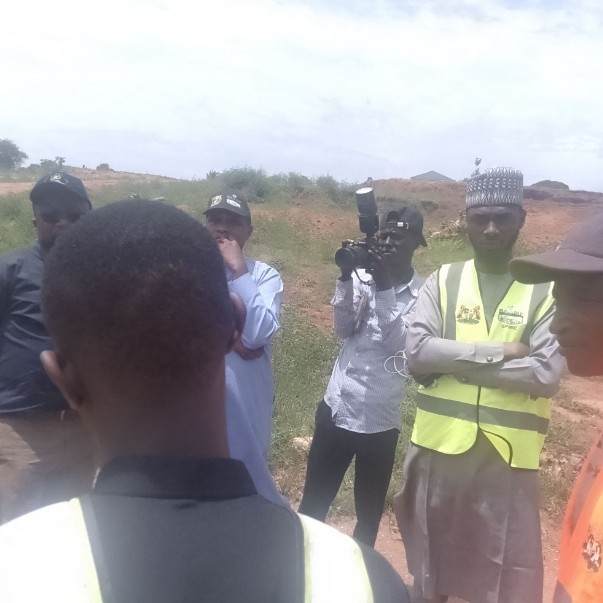
During an inspection of the roads in Kwoi on Friday, the Director-General of KADRAAMP, Engr. Zubairu Abubakar, said the projects were designed to address some of the longstanding transportation challenges confronting rural communities.
One of the major interventions is the 10-kilometre Fadama-Kororo-Katura road, which serves seven communities. Another five-kilometre Tachira-Manyi-Kawon road provides access to five communities.
The Aduwan Gida-Rebok-Fadan Kaje route, covering 5.6 kilometres, serves six communities, while the 2.6-kilometre Makabun-Anya-Legum road has also opened up access for rural residents.
According to Abubakar, additional interventions include 6.2 kilometres of the Tachira-Kadarko axis and three kilometres along the Kwoi-Gora route, serving three and two communities respectively.
Beyond the kilometres of asphalt and graded roads, however, the real measure of the intervention appears to lie in the stories coming from the communities.
At Gora, residents reportedly came out to welcome the inspection team, with many expressing relief over the improved access to essential services.
For Malam Adamy Dayaba, a resident of the community, the significance of the road cannot be measured merely by its length.
He recalled the difficulties residents previously faced in reaching hospitals and markets, particularly during the rainy season, when bad roads could turn ordinary journeys into major ordeals.
“The roads constructed have now given us quick access to hospitals and the ability to reach nearby markets. We used to have big challenges with those things, especially during the raining season,” he said.
For farmers and traders, the improvement is perhaps even more tangible.
Mrs Blessing John, another beneficiary, said the road linking Fadan Kaje, Ribok and Aduwan Gidan had significantly reduced the time and cost involved in transporting farm produce.
She said a journey that once took about two hours could now be completed in roughly 45 minutes.
That difference, though expressed in minutes, represents much more for rural households whose livelihoods depend largely on agriculture.
Every hour saved in transporting produce means less money spent on transportation, quicker access to markets and a better opportunity for farmers to sell their harvest before it deteriorates.
“We used to spend two hours to transport our market produce to the nearest village. With KADRAAMP’s intervention, we now spend about 45 minutes,” John said.
She described the intervention as a lasting legacy for the people of the area, commending Gov. Uba Sani for supporting the project.
The transformation is not limited to the roads themselves. Street lights have also been provided along some of the routes, adding another dimension to the intervention and potentially improving movement and security after dark.
Abubakar directed contractors to continue supervising the roads until May next year, when the maintenance fee would be paid, underscoring the importance of sustaining the infrastructure beyond its construction.
For a government infrastructure project, statistics often provide the easiest way to measure success: kilometres constructed, communities reached and projects completed.
But in Kaduna’s rural communities, the impact is being measured differently.
It is measured in the farmer who can now reach the market faster, the patient who can get to a hospital without negotiating a treacherous road, the trader who spends less on transportation and the family that no longer fears being cut off when the rains come.
Across Kaduna’s three senatorial districts, KADRAAMP’s rural road intervention is gradually redrawing the map of access and economic opportunity.
And for the 23 communities in Zone Three, the newly constructed roads appear to be more than pathways connecting villages.
They are becoming pathways to markets, healthcare, livelihoods and a more connected future.
 LESSONS LEARNT FROM THE POLITICAL JOURNEY OF DR JAMIL ISYAKU GWAMNA
  Abba Kabir Yusuf: A Leader with a Good Heart and a Kano-First Vision
  Atiku is True Pan-Naigeria Leader ,Deserve 2027 Electoral Victory – ADC-PCC
  The Recurring Nightmare: Will Northern Nigeria Wake Up Before the Next Catastrophe?
  Abba Kabir Yusuf: The North’s Strongest Political Bridge to Tinubu’s 2027 Presidency
  President Tinubu’s Anniversary Speech Capture His Government Journey In Economic Reforms, Prosperous Nigeria, Kwankwaso
 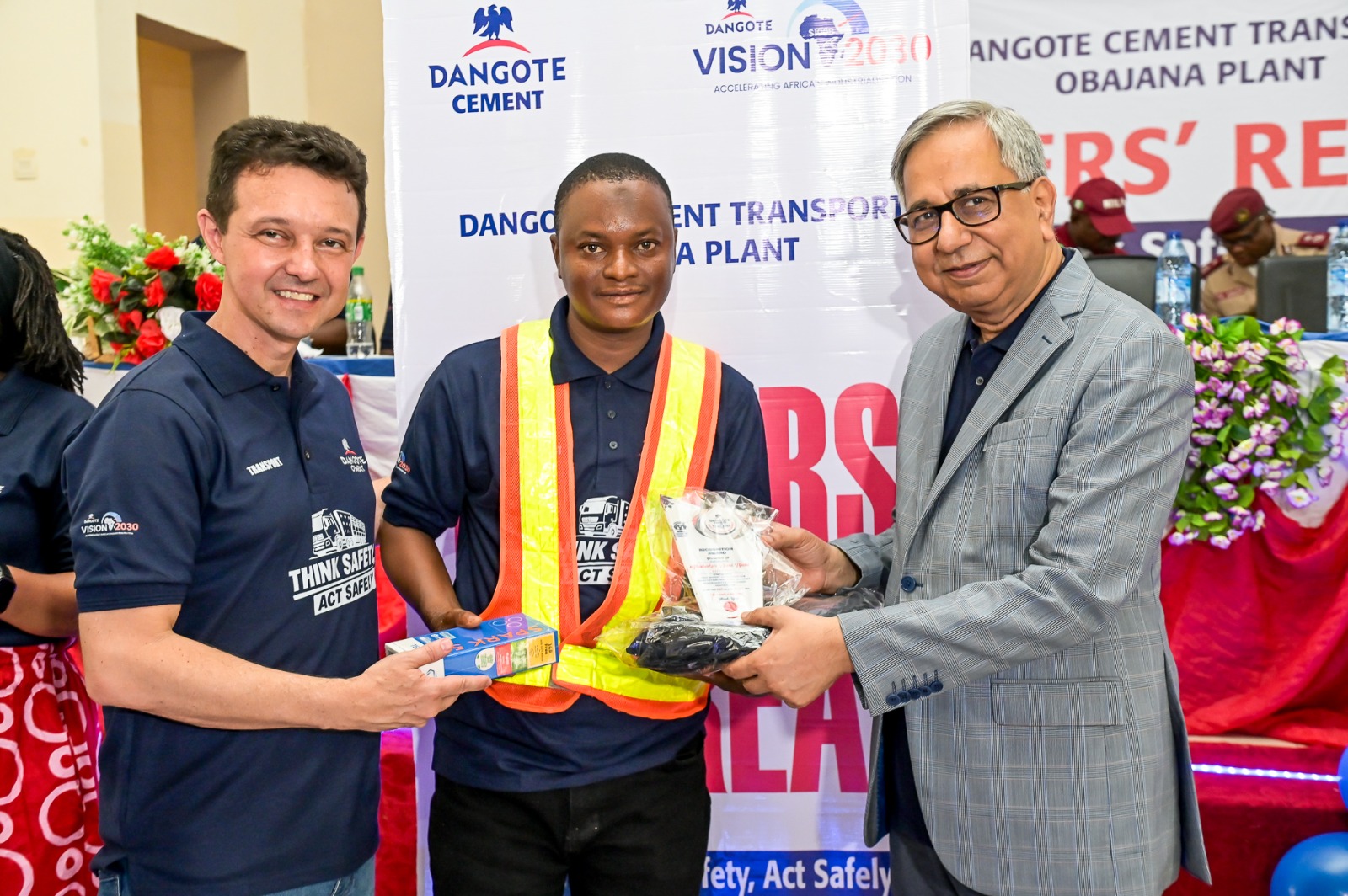 Dangote Cement Steps Up Driver Safety Standards Across Africa
 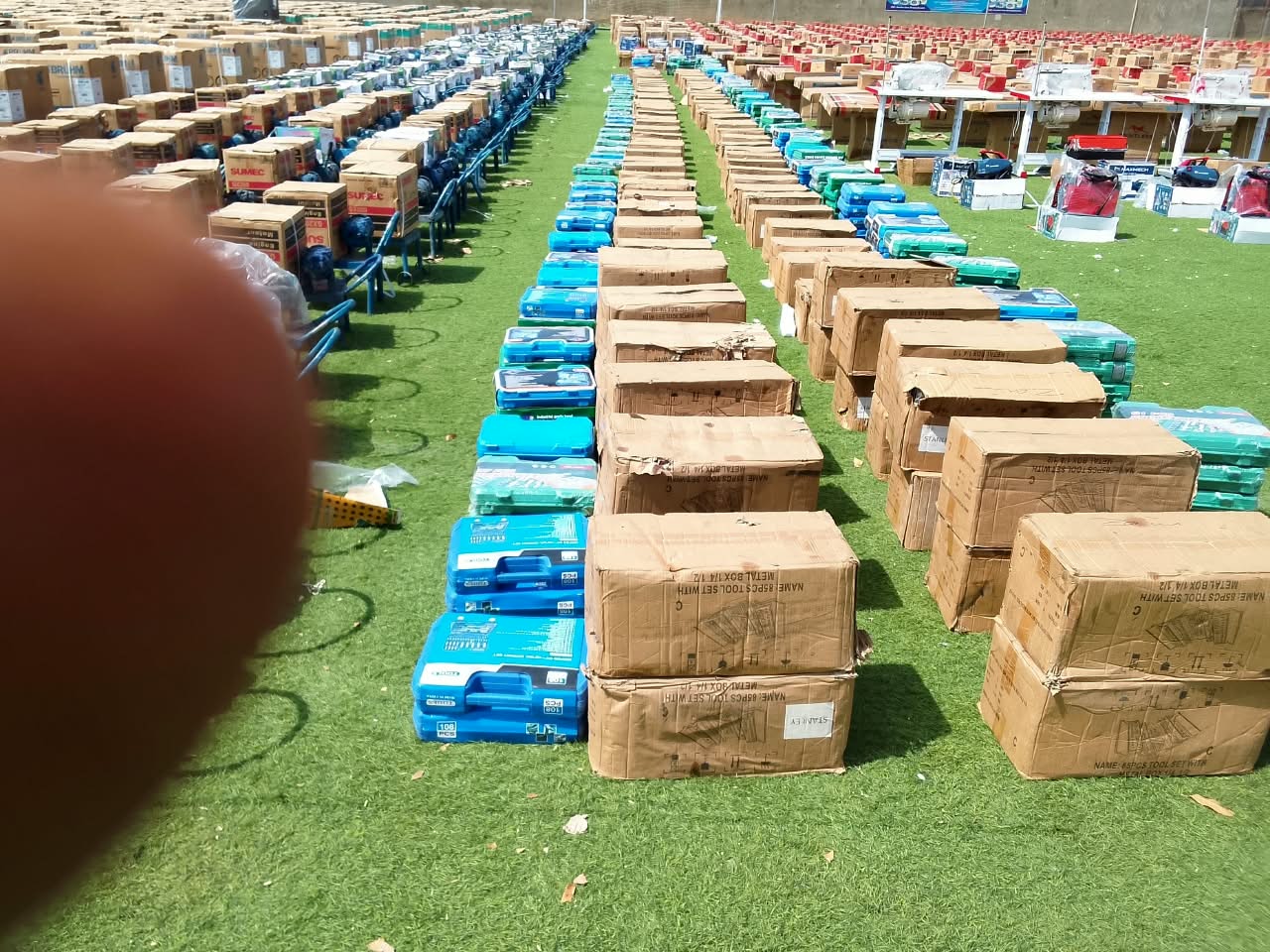 Speaker Distributes Work Tools to 3,000 Artisans in Zaria
 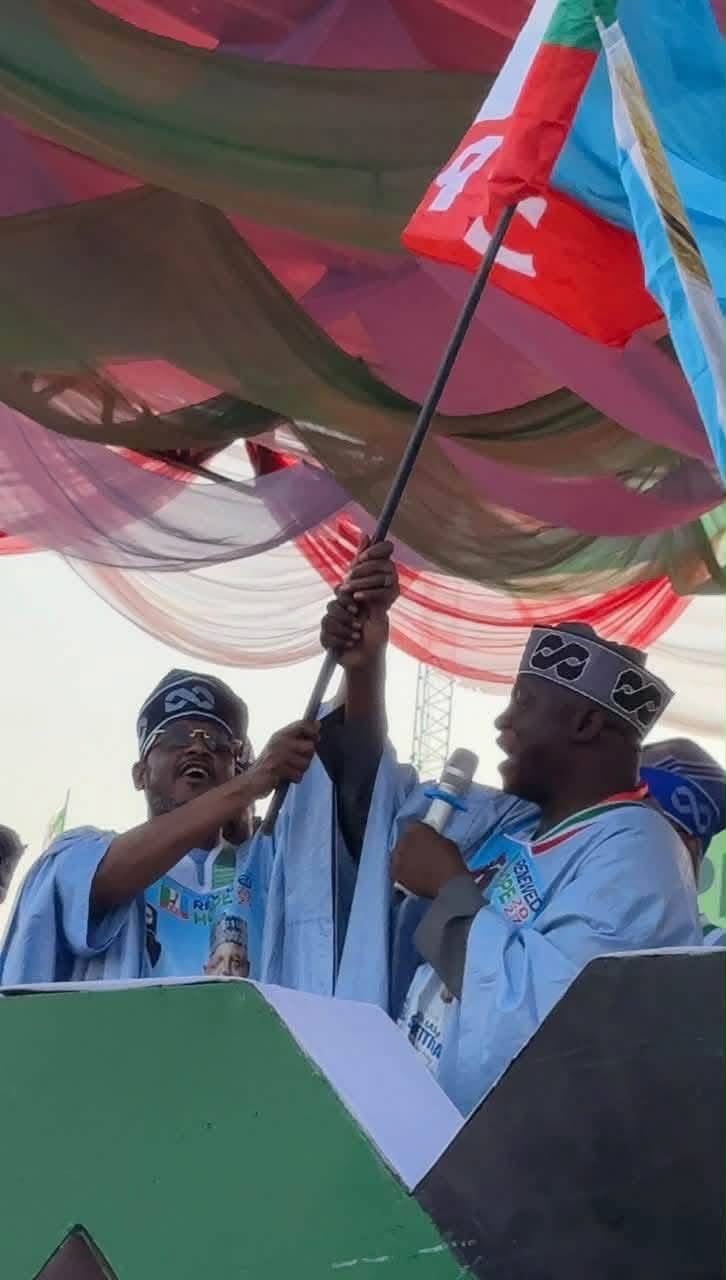 Gov. Radda Thanks Katsina Stakeholders for Support at Kaduna APC Campaign Flag-Off
 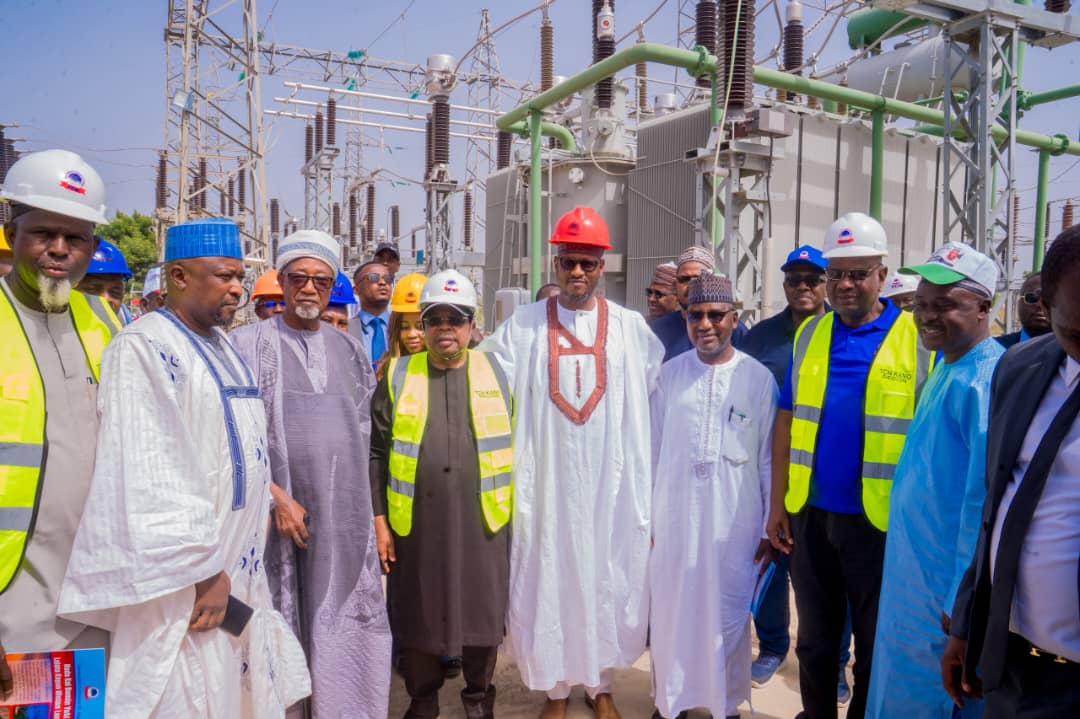 Minister, Governor Radda Commission 120MVA Kankia Substation
  FG Assures Nigerians of Stable, Affordable CNG Prices
  Kano Govt Donates Equipment to NDLEA