
 Admin
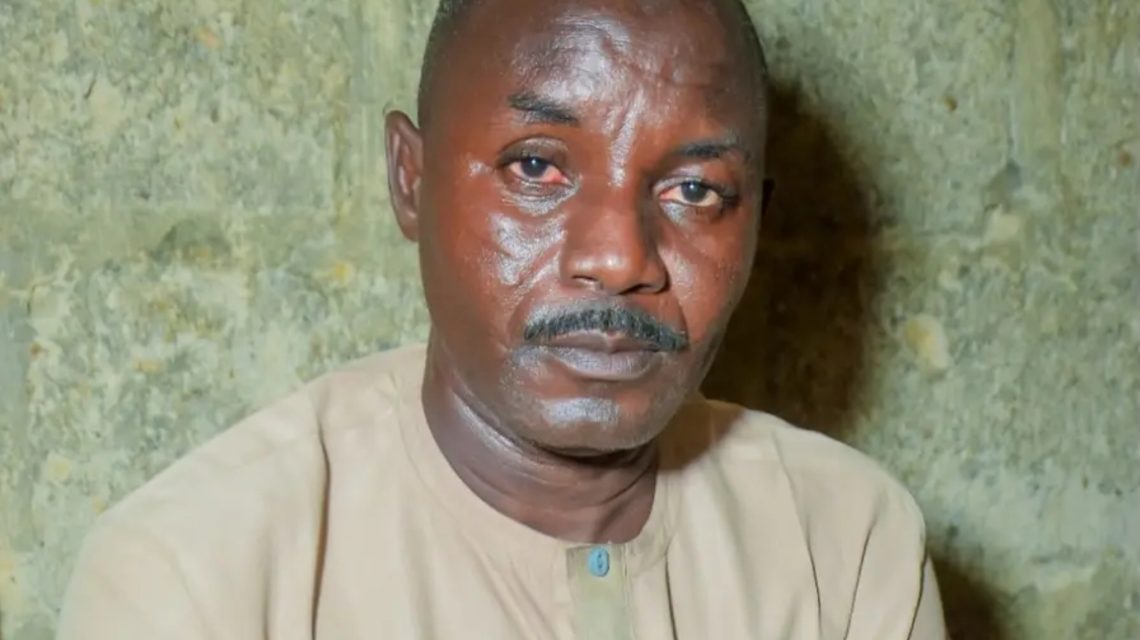
Admin For more than three decades, Abubakar Mohammed stood on the frontline of community security, confronting criminals and protecting residents from the menace of thuggery.
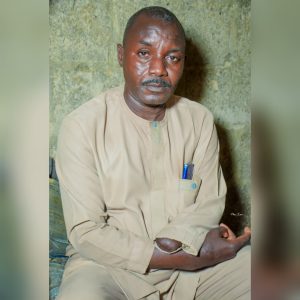
Today, the former vigilante commander in Kano’s Dorayi community sits quietly with a missing hand, a shattered livelihood and a future clouded by uncertainty, wondering whether the society he once served remembers his sacrifice.
Mohammed’s story is one of courage, resilience and painful abandonment. Once feared by criminal elements across communities in Kano, Zamfara and Katsina states, he dedicated most of his adult life to combating theft, violence and insecurity.
His commitment earned him respect among law-abiding residents but also made him a marked target for criminals determined to silence him.
Dorayi, one of Kano’s communities frequently identified as a flashpoint for thuggery, has long struggled with violent gangs whose activities have threatened peace and stability.
Residents say the challenge has persisted despite repeated interventions by security agencies and community leaders. Within this difficult environment, Mohammed emerged as one of the most vocal and active figures in the fight against crime.
According to him, threats against his life were frequent. Criminal gangs allegedly attacked his residence on several occasions, seeking revenge for his role in exposing and confronting their activities.
Yet he remained undeterred, convinced that protecting lives and property was a duty worth every risk.
That determination would eventually cost him dearly.
On a day that changed his life forever, Mohammed was at an A.A. Rano filling station in Kano, where he worked, when violence erupted. What began as an invasion by a large group of suspected thugs quickly descended into chaos.
Workers and customers fled for safety as the attackers reportedly surrounded the facility. Mohammed, who said he was unarmed at the time, found himself facing overwhelming odds.
The assault that followed was brutal. According to his account, the attackers repeatedly attempted to inflict fatal injuries on him. Despite resisting the onslaught, he suffered severe wounds and eventually lost his left hand.
As he lay critically injured, he recalled hearing voices among the attackers celebrating what they believed was the fall of a man they considered a major obstacle to their criminal operations.
The consequences extended far beyond his physical injuries. Mohammed believes the attack was intended to send a powerful message to other vigilante members and community informants.
The fear generated by the incident, he said, discouraged many from actively confronting criminal gangs. Several of his colleagues reportedly became targets of subsequent attacks, reinforcing concerns about the dangers faced by community security volunteers.
Years after the incident, Mohammed says justice remains elusive. He alleges that some suspects arrested in connection with the attack were later released and returned to the streets.
While the circumstances surrounding the legal proceedings remain a matter for the courts and relevant authorities, his perception reflects a growing frustration among many community members who fear that weak accountability emboldens criminal elements.
Yet perhaps the deepest wounds are those inflicted by hardship and loss. Unable to continue working as before, Mohammed found himself struggling to provide for his family.
The situation worsened when he lost his wife a year after the attack, leaving him with the responsibility of caring for eleven children alone. Four of his daughters have reached marriageable age, while some of his children have reportedly been forced out of formal schooling because of financial difficulties.
Today, the former commander depends largely on occasional assistance from colleagues and the filling station that supported his medical treatment.
The man who once protected others now faces daily battles against poverty, disability and uncertainty. Medical bills remain unpaid, further treatment appears beyond reach and the burden of feeding a large family grows heavier with each passing day.
His story raises broader questions about the welfare of community security volunteers who risk their lives to complement formal law enforcement efforts.
Across many parts of Nigeria, vigilante groups often operate under difficult conditions, facing dangerous criminals with limited resources and little assurance of long-term support if tragedy strikes.
As Kano continues its efforts to tackle thuggery and strengthen community security, Mohammed’s experience serves as a sobering reminder of the human cost of that struggle. Behind every security success story are individuals who bear scars, make sacrifices and sometimes pay the ultimate price in service to their communities.
For Abubakar Mohammed, the battle is no longer against armed gangs. It is now a fight for survival, dignity and recognition.
His appeal is simple: that government, community leaders and well-meaning citizens remember those who stood guard when others slept and ensure that their sacrifices do not end in neglect.
His missing hand tells a story of courage. His current condition tells another story—one that challenges society to decide how it treats those who risk everything in the service of others.
Source ….Daily Trust Newspaper
 Ambassador Dr Amina Umar Namadi Felicitates Residents on Democracy Day, Calls for Unity and Peace
  Kaduna Residents Laud Governor Uba Sani Over KADRAAMP Achievements Under Engineer Zubairu Balarabe
  A Birthday Tribute to His Highness Malam Ahmed Nuhu Bamalli, CFR, on His 60th Birthday
  Senator Barau: 3 Years of Meritorious Service to Humanity as DSP
  THREE YEARS OF PURPOSEFUL GOVERNANCE: GOVERNOR YUSUF EXECUTES 1,493 PROJECTS UNDER THE ‘KANO FIRST’ DEVELOPMENT AGENDA
  THE SECRET BEHIND THE EMERGENCE OF DISTINGUISHED SENATOR AHMAD ABDUL HAMID AS AS POLITICAL CELEBRITY OF THE FOURTH REPUBLIC:
  The Prophet’s Mosque, Al-Rawdah, and the Inner Peace of the Visitor’s Mind
  Governor Radda Calls for Collective Action to Tackle Breast Cancer
  KNUPDA TASKFORCE COMMITTEE COMMENDED FOR INTENSIFIED ENFORCEMENT EXERCISE ACROSS KANO METROPOLIS.
  KANO GOVERNMENT CONSIDERS ESTABLISHING STATE-OWNED AIRLINE TO BOOST REVENUE, SUPPORT DEVELOPMENT
  Allegations of bias shake Kano Judicial System as family questions detention of minor
  Northern Youth Assembly Applauds National Assembly’s Historic passage of State Police Bill