

 Admin
Admin Recall that ASUU is on strike for over four months. This is over a full semester. But despite this waste of time, issues are yet to be addressed while the future of students is still at stake.
In this industrial tussel between Nigeria Federal Government (F.G.) and Academic Staff Union of Universities (ASUU) elements involved are facing a lot of loss. This made me ask the question….who is the loser in this fight between FG and ASUU?
Studies have shown the following observations:
1-Federal Government of Nigeria:
This strike is a tragedy to FG after several calls by the union on the IPPIS and renegotiation. The calls later led to the checks on the Accountant General of The Federation who was accused for misappropriation of funds to the tune of N80 billion and later another N90 billion. Although he has been granted bail, but all his properties have been siezed by the EFCC and he was suspended from his appointment. The former AGF is now among the top loosers.
2- the state Minister for education for his greedy on no account sacrifice the sum of N100million to purchases a nomination form to run for presidential candidate and at the end of the day, he scored zero vote and eventually became a loser. As Hausa proverb said ” ba shi ga tsuntsu ba shi ga tarko”, meaning he loses his office neither ticket to run for presidential election.
3- Internally Generated Revenue:
FG has also lost revenue that was supposed to be collected from payments of students registration into the Treasury Single Account (TSA) also monitored by the office of The Accountant General of The Federation. Money that runs into billions generated from the universities is lost due to the strike.
4- General Welfare of;
a) University Teaching Staff (Lecturers);
On the other hand, members of ASUU have also lost a lot due to the strike because of the “no work-no pay” policy by the FG. For almost four months now, Academic Staff have not collected any renumeration thereby resulting in falling of their standard of living. Most lecturers are now owing a lot.
b) Food vendors. This category has also made huge loss due to the strike. Thousands of people who sell varying standard of food items and restaurants also suffered due to the strike thereby affecting their families as well.
c) Recharge card vendors, so called business centers where students make photocopies, print their assignments or thesis, internet cafes where students browse the internet for researches, and a varying degrees of trades in and around campuses that serve the communities are also at loss as a result of the ongoing ASUU strike. This also affects their standard of living.
d) Commuters;
Taxis, Keke Napep, Okada and busses which commute students, Academic and non-Academic Staff and other business persons to and from the Universities are all at loss because of the strike.
e) Landlords;
Since students are off campuses, that means no income for landlords who accommodate thousands of students off campuses. They are also at loss.
f) Others: such as stewards who help on and off the campuses. Laundry and cleaning services, even street beggars who patronize the University communities are all at loss.
Conclusion
From the above analysis, the effects of strike involves so many elements and their wellbeing.
Recommendations
From the aforementioned analysis, the following recommendations are drawn:
- FGN should honours the agreement reached with ASUU of 2009
- FGN should considers those who lost most during the strike to pave ways to resolve the issue immediately so as to avoid lost of revenue
- ASUU should also shift the ground for continuous negotiations while schools are on season
- The former state minister for education should go back to farm to prepare for another race in 2027 election.
By
Dr. Aminu Fagge
 Teacher Donates Part of Salary to Kano Governor in Support of Education Development
  Jofay International School Kano Holds Inter-House Sports Competition in grand style
 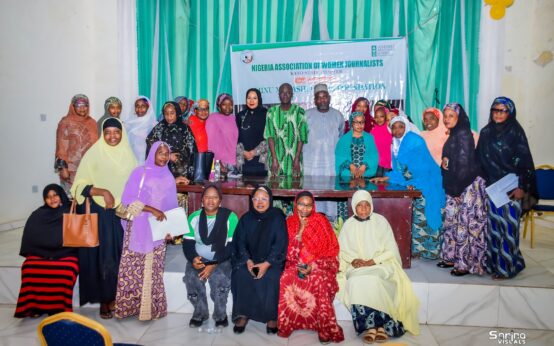 Magashi Foundation Empowers Women Journalists with Capacity-Building Workshop in Kano
 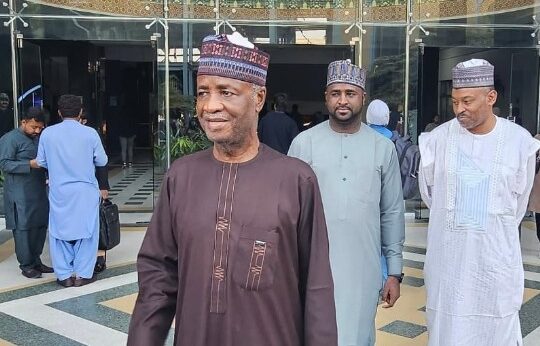 Wamakko Visits Self-Sponsored Students in Pakistan, Reaffirms Education Commitment
 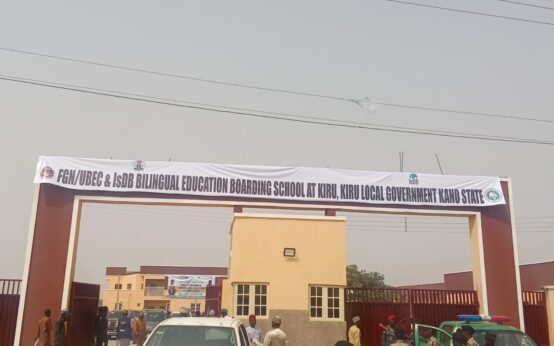 FG, Kano Govt Commission ISDB–UBEC Bilingual Boarding School in Kiru, Strengthen Drive for Inclusive Education
  Yusuf Orders Probe into Alleged N1.5bn Salary Deductions in Kanoi
  Fred Itua named Group Politics Editor, The Sun Newspaper
  Sharada Joins Kano Central Senatorial Race, Calls for Free and Fair APC Primaries
  NEPC trains SMEs, MSMEs in Kano to boost export readiness
  Traditional institutions key to security, peace building in Nigeria, security – CAS
  Air Chief tasks commanders to decisive airstrikes against bandits, terrorists