
 Admin
Admin By Abdullahi Kano
For a mother standing outside a hospital ward in Kano, the difference between despair and hope can sometimes be measured in minutes. For a kidney patient waiting for dialysis, it can be the availability of a functioning machine. For a pregnant woman in a rural community, it can be the distance to the nearest health facility.
And for a cancer patient, access to treatment can mean the difference between another day of uncertainty and another chance at life.
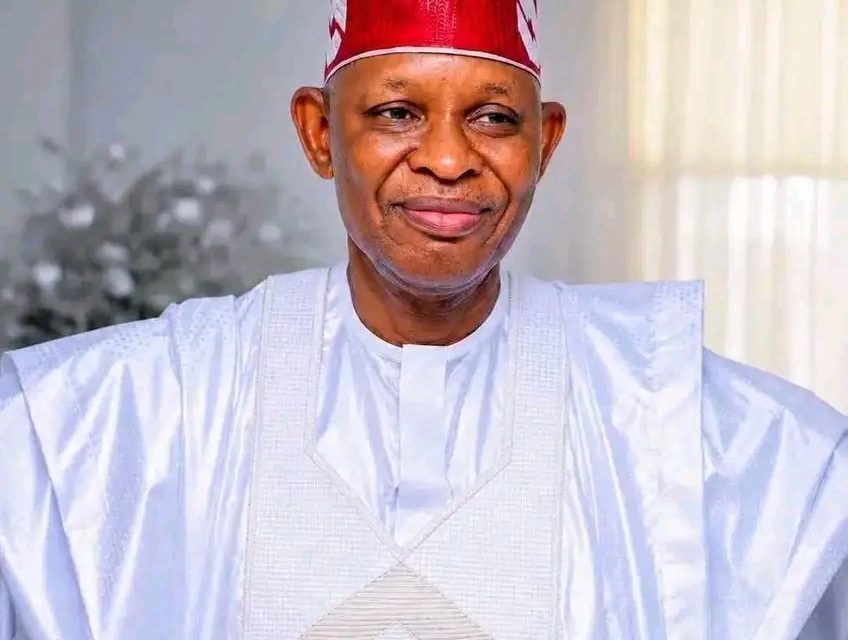
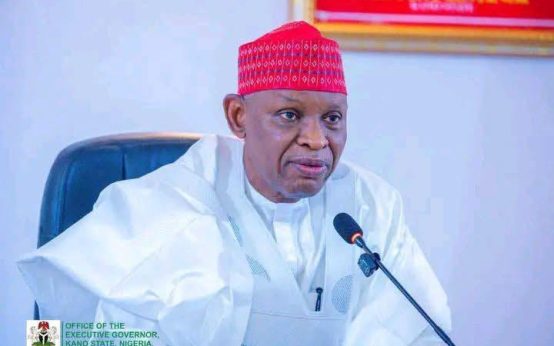
These realities explain why the health sector has occupied a prominent place in the development agenda of Governor Abba Kabir Yusuf since he assumed office in 2023.
Faced with the enormous healthcare needs of one of Nigeria’s most populous states, the administration has embarked on interventions aimed at improving infrastructure, expanding manpower, strengthening primary healthcare and making specialised treatment more accessible to ordinary residents.
Rather than limiting its intervention to the construction or renovation of health facilities, the administration has adopted a broader approach that combines infrastructure with human resources and medical services.
The government has recruited doctors, nurses and midwives, while also screening health workers as part of efforts to ensure that facilities across the state have qualified personnel capable of providing effective services.
For many residents, the significance of these interventions goes beyond government statistics. A newly equipped facility can mean that a patient no longer has to travel several kilometres for basic treatment. A recruited nurse can mean shorter waiting times in a busy hospital. An ambulance can mean that an emergency patient gets to a referral hospital before it is too late. In this sense, every investment in the health sector ultimately translates into a human story.
The Yusuf administration has also given considerable attention to specialised healthcare, an area that often places enormous financial pressure on families. Support for dialysis services, cancer treatment and emergency medical transportation is intended to reduce the burden on patients who previously had to depend on expensive alternatives or travel outside the state to obtain specialised care.
The development and strengthening of the Kano Cancer Treatment Centre at Giginyu is particularly significant in this regard. Cancer treatment is expensive and often requires patients to travel long distances. Having specialised services within the state offers patients and their families a more accessible option while reducing the economic and emotional burden associated with seeking treatment elsewhere.
Maternal and child healthcare has similarly remained a major component of the administration’s health agenda. Interventions targeting pregnant women, newborns and children, alongside programmes on immunisation, disease prevention, nutrition and reproductive health, are aimed at tackling preventable deaths and improving health outcomes among some of the most vulnerable members of society.
At the grassroots, the administration has continued to focus attention on primary healthcare facilities, recognising that the battle for better health outcomes is often won or lost at the community level. Rehabilitation and upgrading of facilities, provision of equipment and efforts to strengthen basic medical services are designed to bring healthcare closer to residents, particularly those living in rural and underserved communities.
Kano’s huge population also makes disease surveillance and emergency response critical. The state has continued to work with relevant agencies and development partners in disease control, immunisation, tuberculosis interventions, maternal health and other public-health programmes. Such partnerships have helped broaden the reach of interventions while strengthening the state’s capacity to respond to health emergencies.
The administration’s increased financial commitment to healthcare further underscores the priority attached to the sector. Kano has continued to allocate more than 15 per cent of its budget to health, meeting the benchmark associated with the Abuja Declaration. For the Yusuf administration, the allocation is not merely a budgetary figure but an investment in the people whose health determines the productivity and future prosperity of the state.
Yet, the real measure of these investments will ultimately be found not in government documents but in the experiences of patients: the mother who delivers safely, the child who receives treatment on time, the dialysis patient who can access care, and the cancer patient who can receive treatment without leaving Kano.
That is the broader promise behind Governor Yusuf’s health-sector agenda—a shift from simply managing illness to building a system capable of protecting lives, promoting prevention and expanding access to quality care.
The challenges remain enormous. Kano’s growing population, pressure on public hospitals and demand for specialised services require sustained investment and continuous improvement. But with infrastructure renewal, recruitment of health professionals, specialised medical interventions, primary healthcare development and stronger public-health programmes, the administration has established a foundation upon which a more resilient health system can be built.
For Governor Yusuf, therefore, the transformation of healthcare is ultimately about people. Behind every hospital project is a patient waiting for treatment; behind every medical worker recruited is a family hoping for care; and behind every health intervention is the fundamental responsibility of government to protect lives.
If sustained, the reforms could make healthcare one of the most visible and enduring legacies of the Yusuf administration—turning public health facilities from places of last resort into centres of hope for millions of Kano residents.
Abdullahi Kano writes from Kano.
namamaoga799@gmail.com
 Prof. Gwarzo: Building Africa’s Education Future Through Institutions, Philanthropy
  From Dependence to Enterprise: How Yusuf’s Empowerment Drive Is Changing Lives of Kano Women, Youths
  Roads That Changed Lives: 23 Kaduna Rural Communities Feel New Lease of Life
  Abdullahi Waiya: Repositioning Kano Information Ministry, Changing the Narrative Through Innovation
  Kano Rising: How Abba Yusuf’s Road Revolution Is Reshaping the Ancient City
  Kano Diphtheria: Investigation Confirms Two Deaths, Says Reported 50 Mortalities Unsubstantiated
  Waiya Inaugurates Tinubu/Abba Grassroots Mobilisation Association in Kano
  Governor Radda Flags Off CCT, School Grants for 5,075 Beneficiaries, 66 Schools in Katsina
  45 Days. 200 Raids. 200 Convictions. Gov Abba, Muhiyi Set National Benchmark
  Kano Task Force on Drugs Secures Nine-Year Jail Terms for Suppliers of Intoxicants to Underage Children
  Kano Govt Empowers 5,800 Women With N290m Grants
  H E DR Amina Umar Namadi Receives Outpouring of Love, Goodwill from Well-Wishers