
 Admin
Admin In many societies, philanthropy is often measured not by the volume of public acclaim it attracts, but by the depth of its impact on the lives of ordinary people.
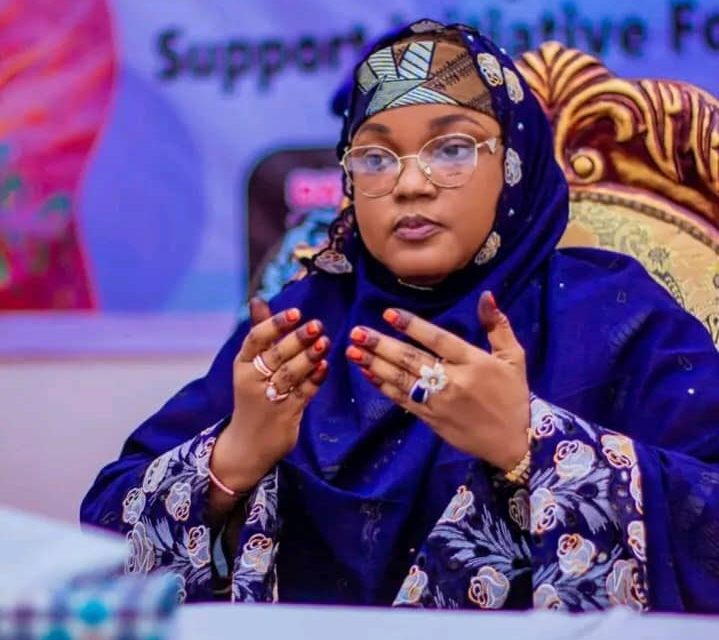
Across Jigawa State, conversations in communities, marketplaces, educational institutions and healthcare centres increasingly reflect a common sentiment: the humanitarian interventions associated with the First Lady, Her Excellency Dr. Amina Umar Namadi, have left an enduring imprint on countless families.
While public recognition may vary, many residents describe her as one of the state’s most compassionate advocates for the vulnerable, dedicating considerable attention to education, healthcare, women’s empowerment and other social welfare initiatives.
Education has remained one of the defining pillars of her humanitarian engagements. Through scholarship support, learning materials, advocacy for girl-child education and encouragement of academic excellence, many beneficiaries have found renewed hope for a brighter future.
In a state where education is widely regarded as the cornerstone of sustainable development, such interventions are viewed as investments not only in individuals but also in the future prosperity of Jigawa.
By promoting access to quality education, Dr. Namadi is widely perceived as contributing to the cultivation of a generation equipped with the knowledge and skills needed to drive social and economic progress.
Healthcare has similarly featured prominently in her outreach efforts. Communities across the state have witnessed initiatives aimed at improving maternal and child health, supporting vulnerable patients and raising awareness about preventive healthcare.
Such interventions acknowledge the fundamental truth that a healthy population constitutes the bedrock of sustainable development. By complementing government efforts in the health sector, her humanitarian activities have provided relief to families facing economic hardship while reinforcing the importance of accessible healthcare services.
Women’s empowerment has emerged as another hallmark of her social interventions. Through programmes designed to equip women with vocational skills, entrepreneurial support and opportunities for economic self-reliance, many beneficiaries have been encouraged to transform small enterprises into sustainable sources of livelihood.
Beyond financial assistance, these initiatives seek to restore dignity, build confidence and expand opportunities for women to contribute meaningfully to household welfare and community development. In doing so, the programmes underscore the broader principle that empowering women strengthens families and stimulates inclusive economic growth.
Among the initiatives that have resonated most profoundly with many residents is the sponsorship of mass weddings. In northern Nigeria, where financial constraints often delay marriage for many young couples, such interventions provide both economic relief and social stability.
By supporting prospective couples with essential marriage items and easing the financial burden on families, these programmes have helped many begin married life with dignity and optimism.
Observers regard such efforts as extending beyond charity to the preservation of cultural values and the strengthening of social cohesion.
Her philanthropic footprint also extends to assistance for orphans, widows, persons living with disabilities and other vulnerable groups. Food distribution, relief materials, financial support and community-based welfare initiatives have become recurring features of her outreach.
For many recipients, these interventions represent more than material assistance; they signify compassion, inclusion and a sense of belonging in a society where vulnerable populations often face significant challenges.
One of the distinguishing characteristics of Dr. Amina Umar Namadi’s humanitarian engagements is the perception that they are driven by empathy rather than publicity.
Those familiar with her activities often describe her approach as one marked by humility, consistency and a genuine commitment to improving lives. Rather than seeking public attention, her interventions are frequently portrayed as deliberate responses to pressing community needs, reflecting an understanding that meaningful philanthropy is best measured by lasting outcomes rather than fleeting headlines.
As Jigawa State continues its pursuit of sustainable development, many observers argue that partnerships between government institutions, development organisations and philanthropic individuals remain indispensable. Within this broader landscape, Dr. Amina Umar Namadi is increasingly regarded by many as a symbol of compassionate leadership whose humanitarian contributions complement public policy and strengthen community resilience.
Her activities illustrate how empathy, vision and sustained commitment can become powerful instruments for social transformation.
Ultimately, the enduring value of philanthropy lies not merely in the resources expended but in the lives transformed. If the voices emerging from communities across Jigawa are any indication, the legacy associated with Dr. Amina Umar Namadi is one that many believe will be remembered for expanding educational opportunities, promoting healthcare, empowering women, supporting vulnerable families and inspiring a culture of generosity.
In an era when societies increasingly seek leaders whose influence extends beyond official responsibilities, her humanitarian engagements continue to be cited by admirers as an example of service rooted in compassion, dignity and hope.
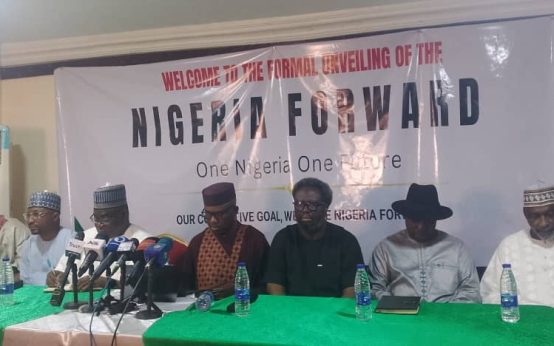 Waiya Unveils Nigeria Forward in Abuja to Mobilise Support for Tinubu’s Reforms
  Investing in Minds, Building Kano’s Future: Abba Kabir Yusuf’s Human Capital Development Drive
  Ibrahim Kabiru Masari: The Political Strategist Shaping a New Northern Conversation
  Abba Yusuf and the Politics of Realignment: How Kano’s New APC Coalition Could Reshape 2027
 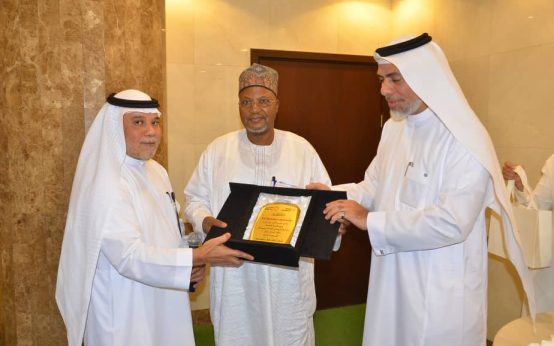 Kano 2026 Hajj: Dignity on the Journey, Excellence in Leadership
  When Healthcare Becomes Hope: How Governor Yusuf Is Transforming Kano’s Health Sector
  Kwankwaso willing to reconcile with Kano Gov. Yusuf
  Al-Istiqama University confers posthumous honorary doctorate on late Dantata
  Kano Water Facilities Near Trial Testing as Goron Dutse Rehabilitation Advances — Official
  Bandits Abduct Village Head in Kano Community
  Nigeria Forward NF Urges North to Maintain Power Rotation Arrangement, Allow Tinubu 8 Year Tenure