
 Admin
Admin By Abdullahi Kabir
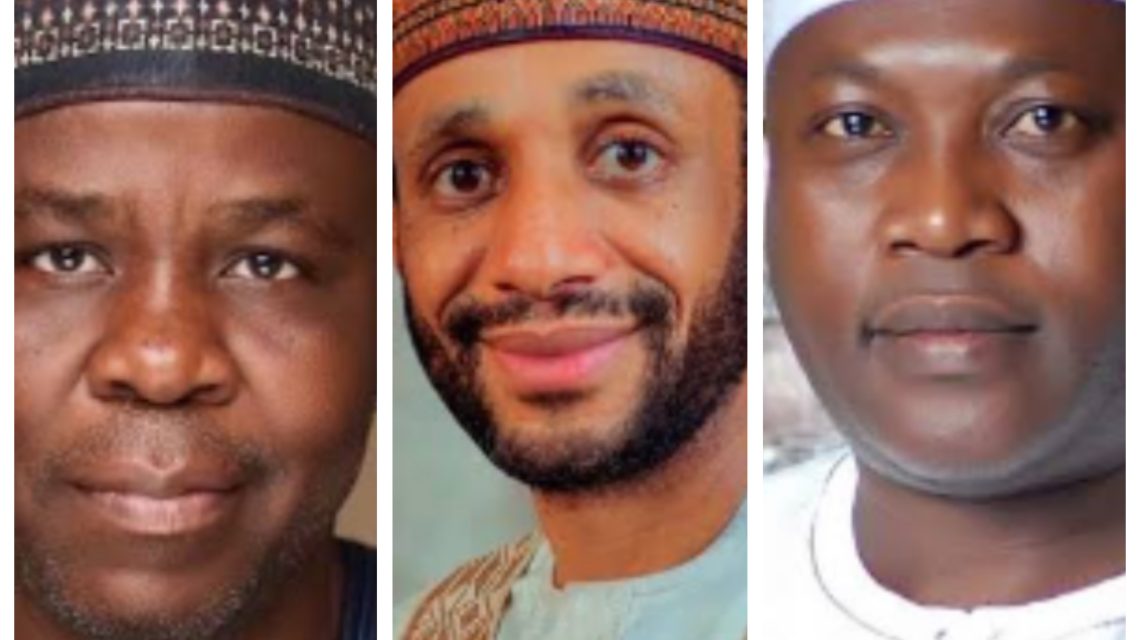
The race to fill the vacant deputy governorship seat in Kano State has thrown up three strong contenders Rabiu Suleiman Bichi, Murtala Sule Garo and Kabiru Alhassan Rurum each bringing a different blend of administrative experience, grassroots appeal and political relevance.
But beyond party endorsements and internal negotiations, the choice ultimately hinges on a delicate balance between governance competence and political survival ahead of future elections.
At the centre of the contest is Murtala Sule Garo, widely seen as the frontrunner following strong backing from APC stakeholders. Reports indicate he secured overwhelming support about 90 percent at a key stakeholders’ meeting, with party leaders describing him as loyal, consistent and deeply rooted in grassroots politics.
His advantage lies in political reliability and acceptability across factions, a critical factor in Kano’s often fragmented political landscape.
Garo’s past experience in government, including legislative exposure and executive roles, positions him as someone capable of “stepping in without disrupting governance,” especially at a time when stability is a priority.
However, Rabiu Suleiman Bichi represents a different kind of strength bureaucratic depth and administrative continuity.
As a former Secretary to the State Government, Bichi has been deeply involved in policy coordination and governance machinery at the highest level.
His supporters argue that while others bring political capital, Bichi brings institutional memory and technocratic competence.
In a system where the deputy governor often plays a stabilizing and advisory role, such experience can be crucial, especially in managing government processes and inter-agency coordination.
On the other hand, Kabiru Alhassan Rurum arguably boasts the most extensive legislative and political résumé among the three.
A former Speaker of the Kano State House of Assembly and current member of the House of Representatives, Rurum has navigated both state and federal politics with notable influence.
His political career from councillor to speaker to federal lawmaker demonstrates resilience and strategic maneuvering, including surviving internal legislative crises and returning to leadership positions.
This gives him a strong edge in political negotiation, lawmaking experience and grassroots mobilization across multiple constituencies.
When measured strictly by experience, Rurum appears the most seasoned politician, followed by Garo with a mix of executive and legislative exposure, while Bichi leads in administrative governance. But politics in Kano is rarely about experience alone.
It is also about loyalty, factional balance and electoral value.
In terms of political advantage, Garo currently leads. His near-unanimous endorsement by influential stakeholders suggests he is seen as a unifying figure capable of consolidating party structures and minimizing internal conflict.
Rurum, while powerful, may be perceived as more independent and politically assertive an asset in governance but sometimes a concern in tightly controlled political arrangements. Bichi, meanwhile, may appeal more to governance insiders than to grassroots political actors.
Ultimately, the “best” candidate depends on what Governor Abba Kabir Yusuf or any appointing authority prioritizes.
If the goal is political stability and party unity, Murtala Sule Garo stands out. If the priority is deep legislative experience and political strength, Kabiru Rurum becomes a compelling choice.
But if administrative efficiency and policy coordination are key, Rabiu Suleiman Bichi offers unmatched value.
In Kano’s high-stakes political environment, however, history suggests that political loyalty and coalition-building often outweigh pure experience—a reality that may tilt the final decision toward the most politically acceptable candidate rather than the most experienced one.
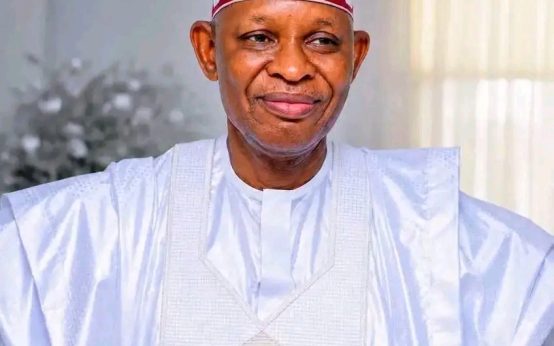 Muhuyi’s Assignment, Abba’s Edge: How Anti-Drug War Reshapes Kano’s 2027 Race.
 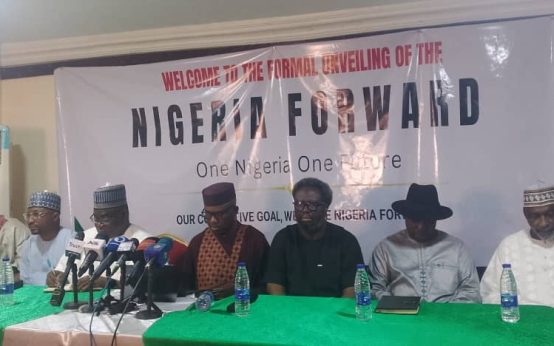 Waiya Unveils Nigeria Forward in Abuja to Mobilise Support for Tinubu’s Reforms
 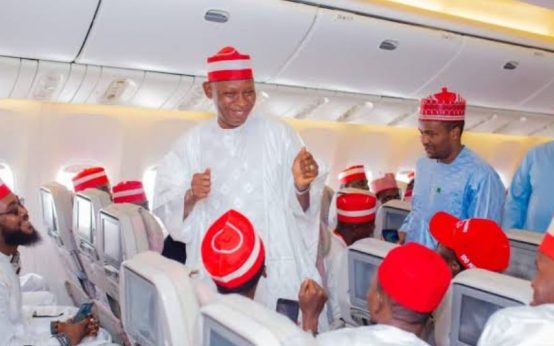 Investing in Minds, Building Kano’s Future: Abba Kabir Yusuf’s Human Capital Development Drive
  Ibrahim Kabiru Masari: The Political Strategist Shaping a New Northern Conversation
  Abba Yusuf and the Politics of Realignment: How Kano’s New APC Coalition Could Reshape 2027
  Kano 2026 Hajj: Dignity on the Journey, Excellence in Leadership
  Kwankwaso willing to reconcile with Kano Gov. Yusuf
  Al-Istiqama University confers posthumous honorary doctorate on late Dantata
  Kano Water Facilities Near Trial Testing as Goron Dutse Rehabilitation Advances — Official
  Bandits Abduct Village Head in Kano Community
  Nigeria Forward NF Urges North to Maintain Power Rotation Arrangement, Allow Tinubu 8 Year Tenure